




What's Happening?
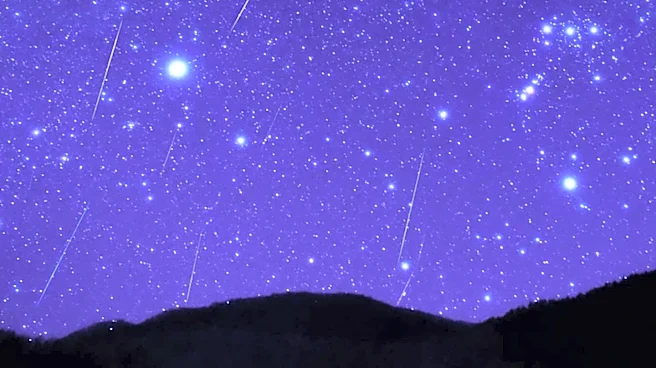
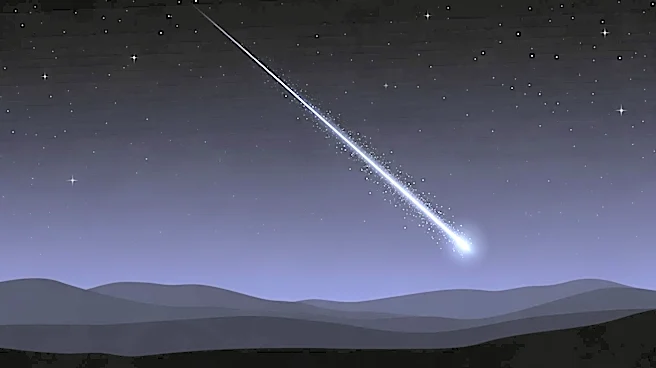
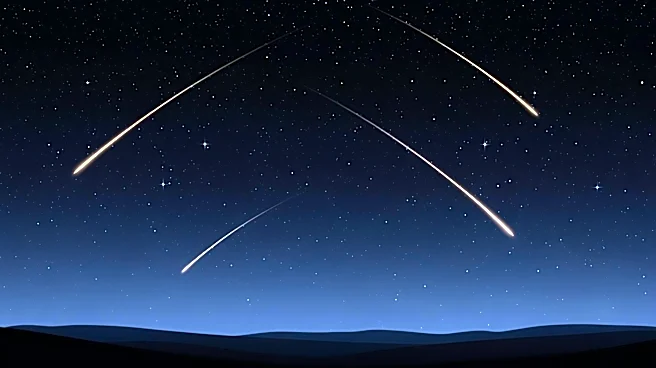
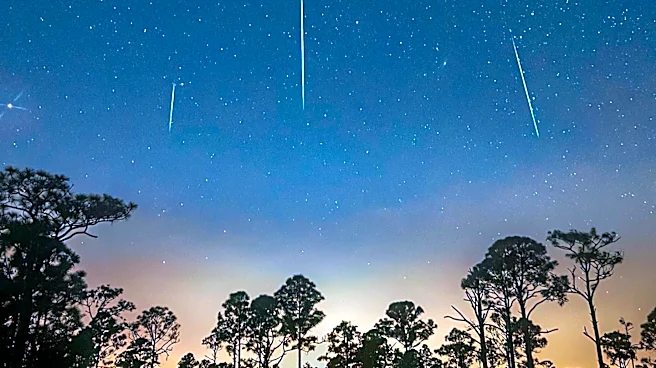
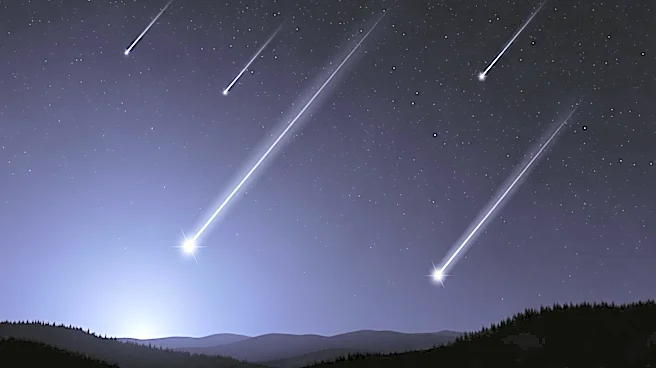
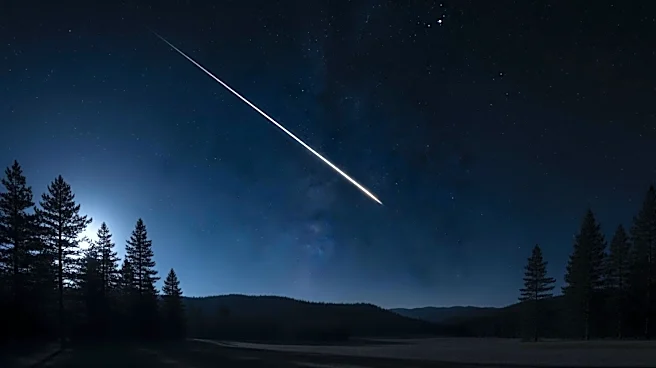
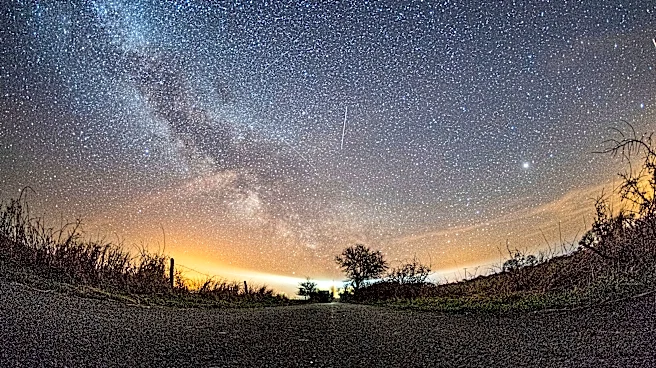
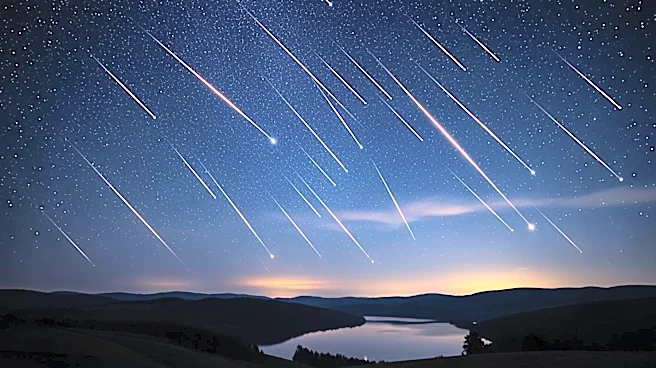
The Lyrid meteor shower is set to peak on the night of April 21-22, 2026, providing a celestial spectacle for observers across the United States. This annual event occurs as Earth passes through debris left by Comet Thatcher, resulting in meteors that
appear as shooting stars. Observers in dark locations can expect to see 15 to 20 meteors per hour from midnight until dawn. The meteors will radiate from the constellation Lyra, near the bright star Vega. No special equipment is needed to enjoy the show, but a dark location away from city lights is recommended. The parent comet, Thatcher, will not return until 2283, making this an event not to be missed.
Why It's Important?
The Lyrid meteor shower is a significant astronomical event that draws attention to the wonders of the night sky, encouraging public interest in astronomy and science. It provides an opportunity for educational outreach and community engagement, as people gather to witness the natural spectacle. The event also highlights the importance of preserving dark skies, free from light pollution, to ensure such celestial events can be enjoyed by future generations. Additionally, the meteor shower serves as a reminder of Earth's place in the solar system and the ongoing interactions with cosmic debris.
What's Next?
Following the peak of the Lyrid meteor shower, observers can continue to enjoy sporadic meteors in the nights that follow. The event may inspire increased interest in upcoming astronomical events and encourage amateur astronomers to explore the night sky further. Educational institutions and astronomy clubs may organize viewing parties and discussions to capitalize on the public's interest. The next major meteor shower, the Eta Aquarids, is expected in early May, providing another opportunity for skywatchers to observe meteors.