





What's Happening?
Iranian-affiliated hackers have been targeting US critical national infrastructure (CNI) providers, causing operational disruptions and financial losses. According to a Cybersecurity and Infrastructure Security Agency (CISA) advisory, these threat actors
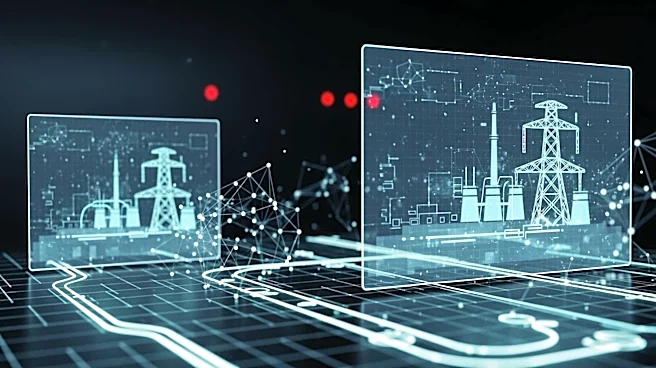
have been focusing on internet-facing operational technology (OT) assets, including programmable logic controllers (PLCs) from Rockwell Automation/Allen-Bradley. The sectors affected include government services, water and wastewater systems, and energy. The hackers have been manipulating data on human-machine interface (HMI) and supervisory control and data acquisition (SCADA) displays. They use configuration software to establish connections to targeted PLCs via overseas IP addresses. CISA has urged US organizations to review tactics, techniques, and procedures (TTPs) and indicators of compromise (IOCs) to mitigate risks.
Why It's Important?
The attacks highlight vulnerabilities in US critical infrastructure, particularly in sectors that rely heavily on operational technology. The disruption of services in government, water, and energy sectors can have significant implications for public safety and economic stability. The use of widely deployed PLCs increases the potential impact, as these devices manage essential industrial processes. The campaign underscores the need for enhanced cybersecurity measures and coordination among CNI providers to protect against such threats. The incidents also reflect broader geopolitical tensions and the increasing sophistication of cyber threats from state-affiliated actors.
What's Next?
CISA has recommended several measures for CNI providers, including using secure gateways and firewalls, monitoring logs for suspicious activity, and ensuring physical security of PLCs. Organizations are advised to contact federal agencies for guidance if targeted. The ongoing threat may prompt increased investment in cybersecurity infrastructure and collaboration between public and private sectors to bolster defenses. The situation may also lead to policy discussions on national cybersecurity strategies and international cooperation to address state-sponsored cyber threats.