







What's Happening?
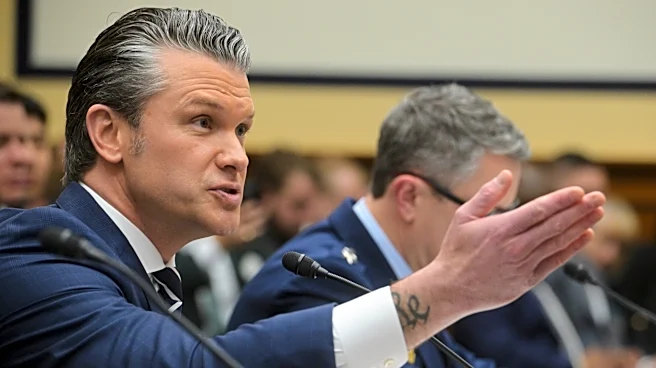
Senator Sheldon Whitehouse of Rhode Island has voiced strong opposition to the Trump administration's proposed budget cuts for the Environmental Protection Agency (EPA). The proposed $4.2 billion budget would significantly reduce funding for state environmental
programs and loans for water projects, while halting certain climate research initiatives. During Senate hearings, Whitehouse accused EPA Administrator Lee Zeldin of prioritizing fossil fuel industry interests over environmental protection. Zeldin defended the budget as a means to make the EPA more efficient, but faced criticism from Senate Democrats who argued that the cuts would undermine the agency's mission to protect human health and the environment.
Why It's Important?
The proposed budget cuts to the EPA have significant implications for environmental policy and public health in the United States. By reducing funding for state programs and halting climate research, the cuts could hinder efforts to address pollution and climate change. Critics argue that the budget reflects a shift in priorities towards deregulation and industry interests, potentially leading to increased environmental and health risks. The debate highlights the ongoing tension between economic growth and environmental protection, with potential consequences for communities reliant on EPA programs for clean water and pollution control.
What's Next?
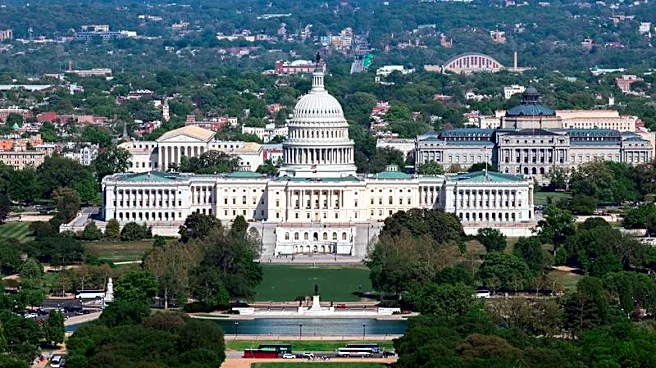
The proposed budget cuts are subject to congressional approval, and lawmakers have the final say on the EPA's funding. Historically, Congress has often rejected significant cuts proposed by the administration, suggesting that the final budget may differ from the current proposal. The outcome of these budget discussions will be closely watched by environmental groups, industry stakeholders, and policymakers, as it will shape the future direction of U.S. environmental policy and the EPA's role in addressing climate change and pollution.