






What's Happening?
Amrita Sen, Founder and Director of Market Intelligence at Energy Aspects, has projected that oil prices will remain significantly higher than pre-conflict levels, ranging between $70 and $80 per barrel. This forecast comes in the wake of energy supply
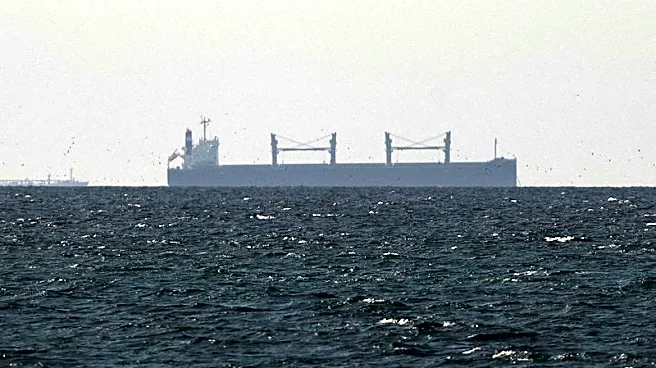
chain disruptions caused by the conflict involving Iran. The closure of the Strait of Hormuz has trapped a substantial number of barrels in transit, and the damage to energy infrastructure has further complicated recovery efforts. Sen's analysis suggests that the recovery of oil production and supply chains could take months, given the extent of the disruptions and the geopolitical tensions in the region.
Why It's Important?
The projection of sustained higher oil prices has significant implications for global economies, particularly those heavily reliant on oil imports. Higher energy costs can lead to increased production costs, inflationary pressures, and economic slowdowns. The ongoing disruptions in the Strait of Hormuz, a critical chokepoint for global oil supplies, highlight the vulnerability of energy markets to geopolitical events. The forecasted price range reflects the challenges in restoring normalcy to energy supply chains and underscores the need for strategic planning and diversification of energy sources to mitigate future risks.
What's Next?
Efforts to restore oil production and supply chains will be closely monitored, with a focus on repairing damaged infrastructure and ensuring safe passage through the Strait of Hormuz. Diplomatic efforts to de-escalate tensions in the region will be crucial in facilitating a return to stability. Energy markets will remain sensitive to developments in the region, with potential for further volatility depending on the progress of recovery efforts and geopolitical negotiations. Stakeholders, including governments and energy companies, will need to adapt to the new normal of higher oil prices and plan accordingly to manage economic impacts.