





What's Happening?
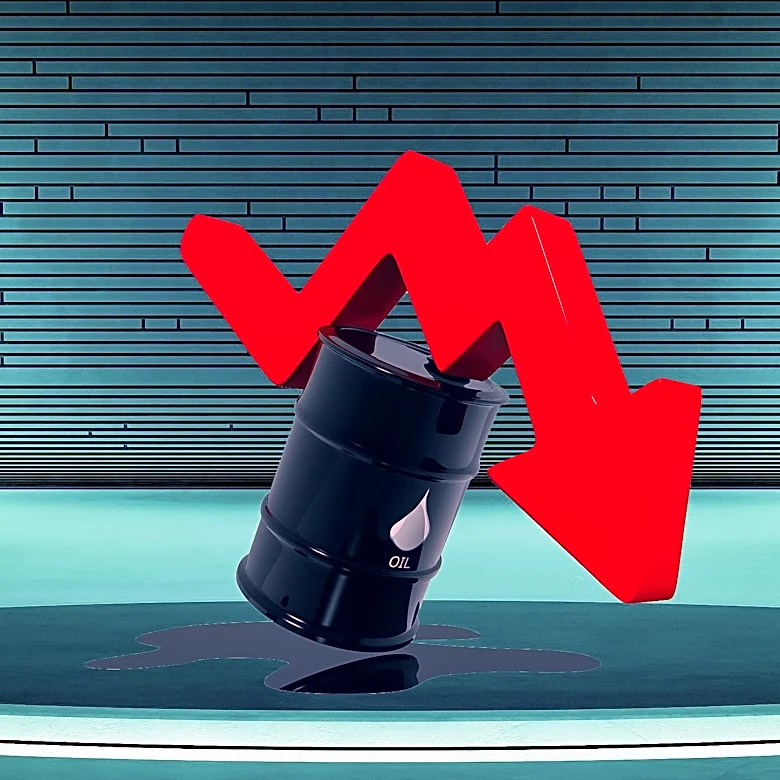
The International Monetary Fund (IMF) has revised its 2026 growth forecast for China's economy, increasing it from 4.4% to 4.6%. This adjustment comes after China's stronger-than-expected first-quarter performance, despite challenges such as higher global
oil prices and weaker demand from trading partners. The upgrade reflects China's industrial upgrading and the structural resilience of its foreign trade. The Politburo meeting emphasized the need for stronger domestic demand and better supply, aiming to keep the economy moving towards newer drivers and higher quality. Official data indicates an economy operating within an appropriate range, yet facing an imbalance between strong supply and weak demand.
Why It's Important?
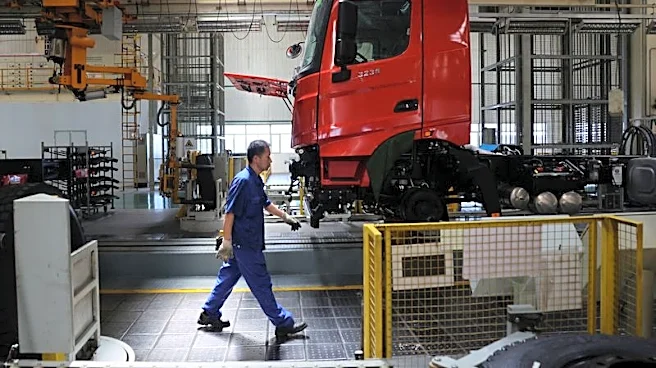
China's economic performance has significant implications for the global economy, serving as an anchor of stability amid geopolitical conflicts and trade fragmentation. The country's ability to absorb external shocks and preserve recovery conditions is crucial in a volatile international environment. As China evolves from a major global supplier to a broader stabilizing force, its role in sustaining productive networks and generating new demand becomes increasingly vital. The IMF's forecast upgrade underscores China's potential to contribute to global growth and strengthen conditions for continued economic expansion.
What's Next?
China's focus on expanding domestic demand and technological upgrading is expected to create markets for innovation and improve supply quality. The country's green development initiatives aim to make production cleaner and more efficient, opening new fields of consumption and investment. As China remains the 'world's factory,' its international function is broadening, contributing to global growth and strengthening conditions for sustained economic progress. The Politburo's calls for stronger domestic demand and better supply are likely to drive further economic reforms and policy adjustments.
Beyond the Headlines
China's economic strategy involves more than just maintaining supply and production. The interaction between changing demand and production structures is crucial for economic upgrading. As incomes rise, consumption patterns shift towards higher quality and better services, creating a powerful market force for economic progress. Technological advancements in AI, digital infrastructure, and clean-energy technologies are transforming production processes, allowing firms to meet new demand at greater scale and lower cost. China's development of renewable energy and efficiency-enhancing technologies provides a long-term direction for global economic convergence.