


What's Happening?
The Sixth Floor Museum at Dealey Plaza has been awarded a federal grant exceeding $200,000 to preserve and digitize over 20,000 photographs and related materials from Pulitzer Prize-winning photojournalist Bob Jackson. This two-year Museums for America
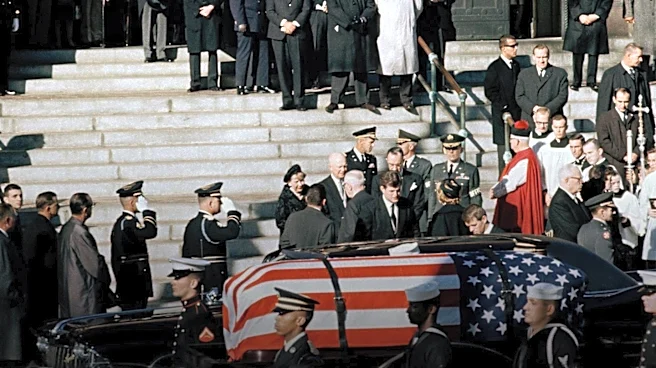
grant, provided by the Institute of Museum and Library Services, will fund research, cataloging, and digitization of the Bob Jackson Collection. The collection comprehensively documents Dallas history from 1960 to 1978, including Jackson’s Pulitzer-winning photograph of Jack Ruby shooting Lee Harvey Oswald. Beyond the assassination of President John F. Kennedy, the collection also chronicles various aspects of Dallas life, news, and culture throughout the 1960s and 1970s, such as school integration, political visits, local personalities, celebrities, and charity events. The museum considers this its most significant photography donation to date, and several photographs from the collection are currently on display in the special exhibition, 'On Assignment: Dallas Times Herald 1963,' which runs until March 28, 2027.
Why It's Important?
This digitization project is crucial for preserving a significant visual record of American history, particularly the events surrounding President John F. Kennedy's assassination, which remains a pivotal moment in the nation's narrative. By making these materials accessible online, the project will broaden access for local patrons, visitors, and a national and international audience, including researchers and scholars. The preservation efforts will protect the original materials from degradation while creating new avenues for historical study and public education. The collection's scope, extending beyond the assassination to cover broader Dallas life, offers valuable insights into the social and cultural landscape of a major American city during a transformative period. This initiative underscores the importance of museums in safeguarding historical artifacts and making them available for future generations, contributing to a deeper understanding of U.S. history and its complexities.
What's Next?
The two-year project will involve the hiring of two full-time cataloging and photographic preservation specialists. Their work will include creating a comprehensive inventory of the collection, conducting contextual and copyright research, mapping detailed metadata, placing materials in archival housing, and ultimately cataloging and digitizing the photographs. The primary outcome expected is the online publication of a substantial number of these newly digitized photographs, making them available for public learning and research. This will significantly enhance the museum's digital offerings and provide unprecedented access to this historical archive. The ongoing exhibition, 'On Assignment: Dallas Times Herald 1963,' will continue to showcase a selection of these photographs until March 28, 2027, offering a preview of the broader collection's historical value.
Beyond the Headlines
The digitization of the Bob Jackson Collection extends beyond mere archival work; it addresses the ongoing public fascination and historical inquiry surrounding President John F. Kennedy's assassination. By providing wider access to primary source materials, the project can help contextualize the event within the broader social and political climate of the 1960s and 1970s. It also highlights the role of photojournalism in shaping public perception and historical memory. The collection's portrayal of everyday Dallas life alongside monumental events offers a nuanced view of a city grappling with significant national and local changes, including school integration. This initiative reinforces the ethical responsibility of cultural institutions to democratize access to historical records, fostering critical engagement with the past and potentially shedding new light on long-standing historical questions.