






What's Happening?
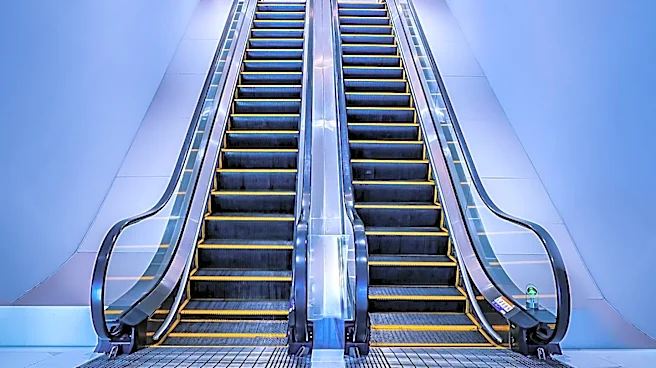
In Japan, while there is no nationwide law prohibiting walking on escalators, several local governments, including Saitama Prefecture and Nagoya, have implemented rules that encourage individuals to stand still. This initiative is part of broader safety
campaigns aimed at preventing accidents. In Tokyo and much of eastern Japan, the established custom dictates that people stand on the left side of the escalator, leaving the right side open for those who wish to walk. This practice is a matter of local etiquette rather than a legally enforced national regulation. The focus is on promoting safer escalator use through public awareness and behavioral guidelines.
Why It's Important?
The distinction between national law and local etiquette regarding escalator use in Japan highlights a cultural emphasis on collective safety and order. While not legally binding across the entire country, the adoption of standing-still rules in specific prefectures like Saitama and Nagoya reflects a growing concern for public safety in high-traffic areas. This approach contrasts with regions where walking on escalators is common, demonstrating a proactive effort to mitigate risks associated with movement on these conveyances. The traditional practice in eastern Japan of standing on the left and walking on the right illustrates how local customs can shape public behavior and contribute to an unwritten social contract for shared spaces. This ongoing effort to formalize or encourage standing still underscores a societal value placed on preventing accidents and ensuring a smoother, safer experience for all escalator users.
What's Next?
The ongoing safety campaigns and local rules encouraging standing still on escalators are likely to continue, potentially expanding to more regions as public awareness of escalator safety increases. These initiatives may lead to further discussions at a national level regarding the implementation of uniform guidelines or even legislation, though currently, the approach remains localized and etiquette-based. Public transportation authorities and local governments will likely monitor the effectiveness of these campaigns in reducing accidents and improving passenger flow. There could also be increased public education efforts to reinforce the benefits of standing still, such as preventing falls and ensuring accessibility for all users. The evolution of these practices will depend on public reception, accident statistics, and the continued advocacy of safety organizations.
Beyond the Headlines
The Japanese approach to escalator etiquette, balancing traditional customs with modern safety concerns, offers a fascinating insight into the country's societal values. The emphasis on local rules and etiquette over strict national laws reflects a cultural preference for social harmony and collective responsibility. This nuanced approach allows for regional variations while still promoting a common goal of public safety. The practice of leaving one side open for walking, even as some areas encourage standing still, showcases a dynamic interplay between efficiency and caution. This situation also highlights the challenges of standardizing behavior in public spaces, especially when deeply ingrained customs are involved. Ultimately, it underscores a broader cultural inclination towards orderliness and consideration for others in daily life, even in seemingly minor aspects like escalator use.