



What's Happening?
In Minnesota, the Somali community is experiencing a significant decline in measles vaccination rates, exacerbated by misinformation linking the measles, mumps, and rubella (MMR) vaccine to autism. Despite efforts by public health officials and community leaders
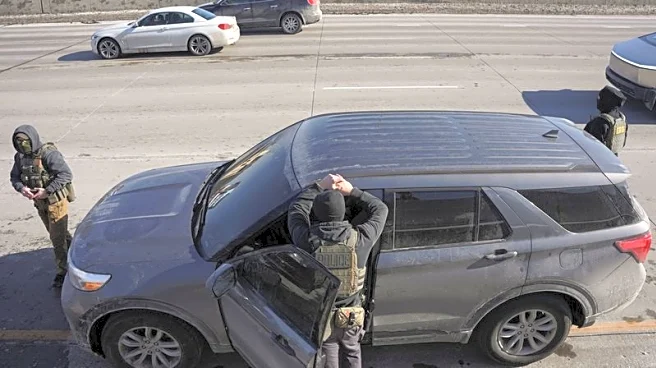
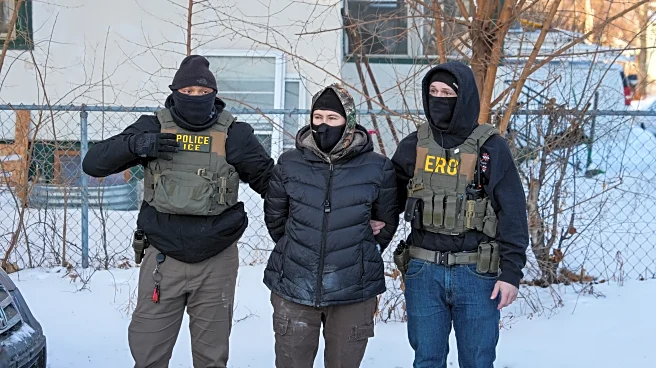
to combat these myths, vaccination rates have plummeted from 92% in 2006 to approximately 24% today. The community's fear of immigration enforcement has further complicated efforts, as many residents are hesitant to leave their homes, let alone seek medical care. This situation is critical as the U.S. risks losing its measles elimination status. Community initiatives, such as mobile clinics and vaccine confidence task forces, have seen some success, but the overall progress remains hindered by ongoing misinformation and societal fears.
Why It's Important?
The decline in vaccination rates within Minnesota's Somali community poses a public health risk, not only to the community itself but also to the broader population. Measles is highly contagious, and a vaccination rate of 95% is necessary to prevent outbreaks. The current rate of 24% among Somali children is alarmingly low, increasing the risk of measles outbreaks. This situation highlights the broader issue of vaccine misinformation and its impact on public health. The fear and misinformation surrounding vaccines can lead to preventable diseases spreading, which can have severe health implications, especially for young children who are more susceptible to complications from measles.
What's Next?
Efforts to increase vaccination rates in the Somali community will likely continue, with a focus on rebuilding trust and addressing misinformation. Public health officials may need to enhance their outreach strategies, possibly by increasing community engagement and education efforts. The role of community leaders and healthcare providers will be crucial in dispelling myths and encouraging vaccination. Additionally, addressing the broader societal issues, such as immigration fears, that contribute to the community's reluctance to seek medical care will be essential in improving vaccination rates.
Beyond the Headlines
The situation in Minnesota's Somali community underscores the complex interplay between public health, misinformation, and societal issues. The persistence of vaccine myths, despite scientific evidence to the contrary, highlights the challenges faced by public health officials in combating misinformation. This case also illustrates the broader issue of how societal fears, such as those related to immigration enforcement, can impact public health efforts. The need for culturally sensitive and community-specific approaches in public health initiatives is evident, as is the importance of building trust within communities to effectively address public health challenges.