


What's Happening?
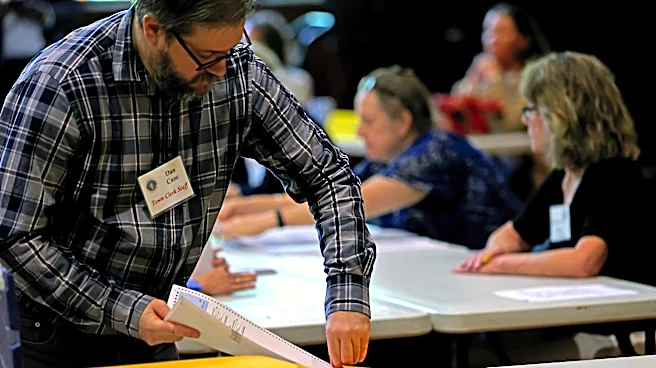
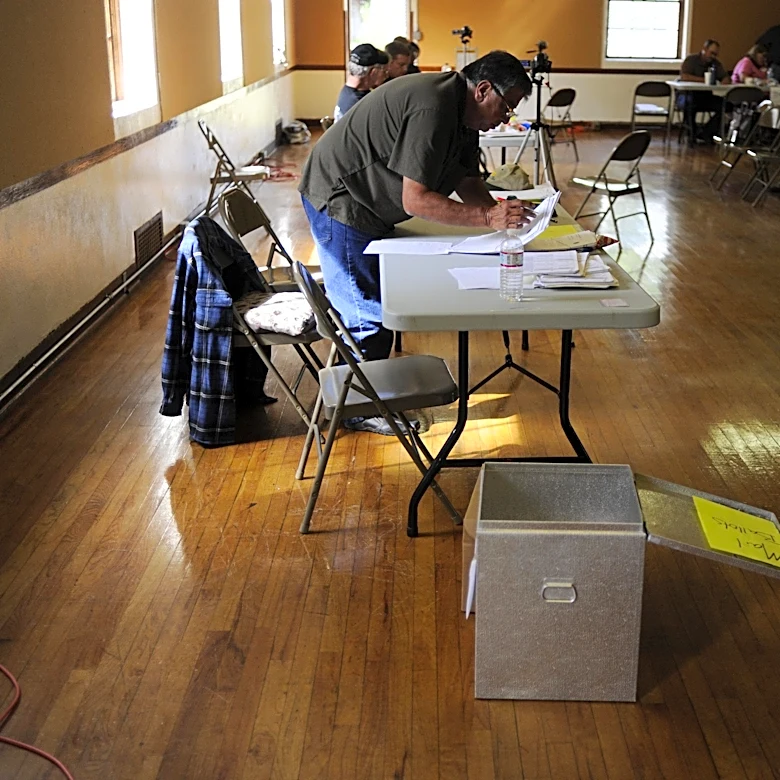
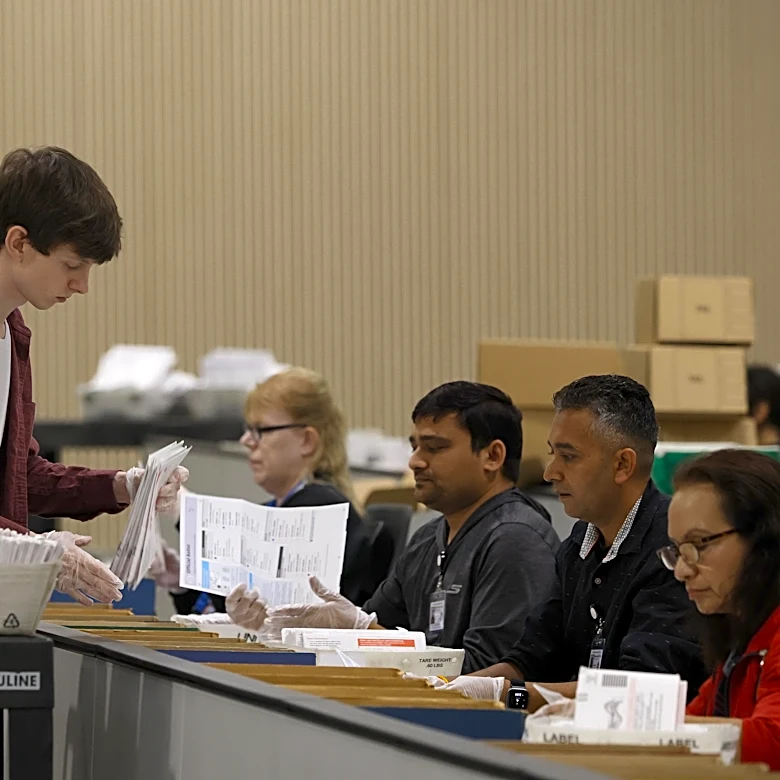
Civil rights groups and community volunteers are conducting a nonpartisan, silent observation of the final ballot counting process for the U.S. Senate election in Harrison County, Gulfport. The observation is taking place today, November 10, from 8:45
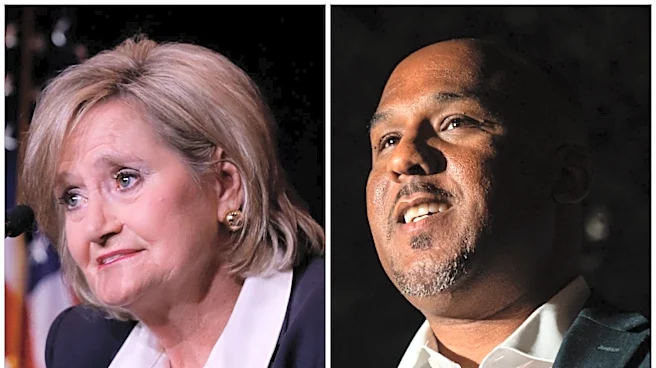
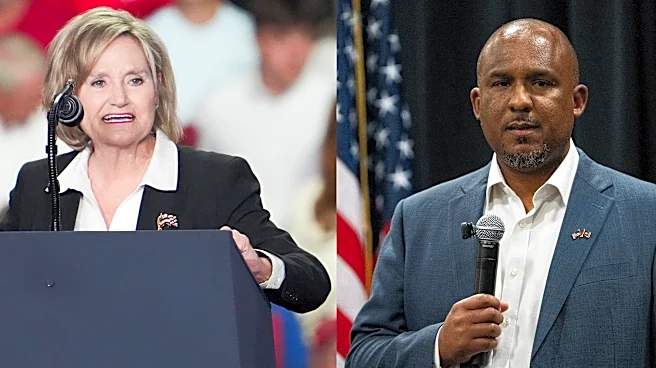
a.m. to 10 a.m. at the Harrison County Election Office located at 9229 Highway 49 in Gulfport. This observation comes as Mississippi and the nation await the final results of the U.S. Senate election between incumbent Republican Cindy Hyde-Smith and Democrat Scott Colom, with outstanding ballots still being tallied to determine the winner.
Why It's Important?
The observation by civil rights groups is crucial for ensuring transparency and maintaining public confidence in the electoral process, particularly during the final stages of ballot counting in a closely watched U.S. Senate election. Their nonpartisan presence helps to safeguard the integrity of the vote, ensuring that all outstanding ballots are counted accurately and fairly. This oversight is vital for upholding democratic principles and protecting voting rights, especially in a context where election outcomes can be decided by a narrow margin. It also provides an important check on the process, deterring potential irregularities and reinforcing the legitimacy of the election results for both candidates and the electorate.
What's Next?
The ballot counting in Harrison County, observed by civil rights groups, is part of the final process to determine the winner of the U.S. Senate election. Once all outstanding ballots are tallied, the official results for the election will be announced. The presence of observers concludes with the counting process, but their reports and findings could inform future discussions on election integrity and voting procedures. The outcome of this counting will directly impact the composition of the U.S. Senate.
Beyond the Headlines
The act of civil rights groups observing ballot counting underscores the ongoing vigilance required to protect democratic processes. It highlights the foundational role of citizen oversight in ensuring fair elections, a principle that extends beyond any single election cycle. This practice can also serve as an educational tool, demystifying the electoral process for the public and encouraging greater civic participation. In an era of heightened scrutiny over election integrity, such transparent observation efforts are vital for building and maintaining trust in democratic institutions, regardless of the election's outcome. It also reinforces the idea that the right to vote is inextricably linked to the right to a fair and transparent counting process.