


What's Happening?
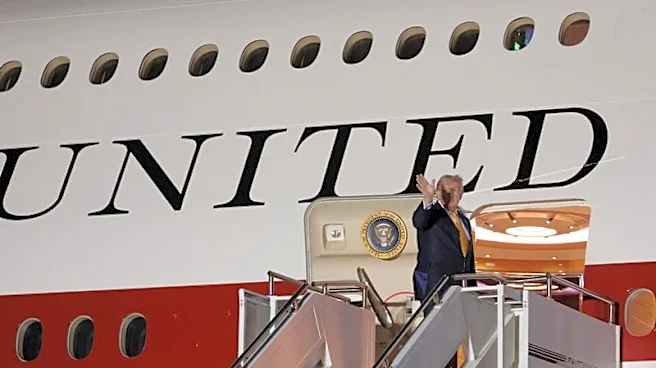
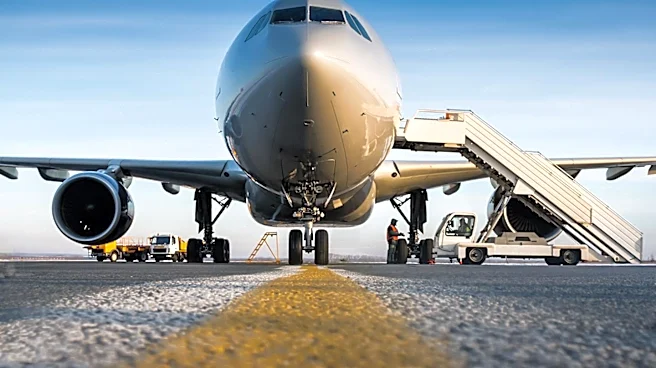
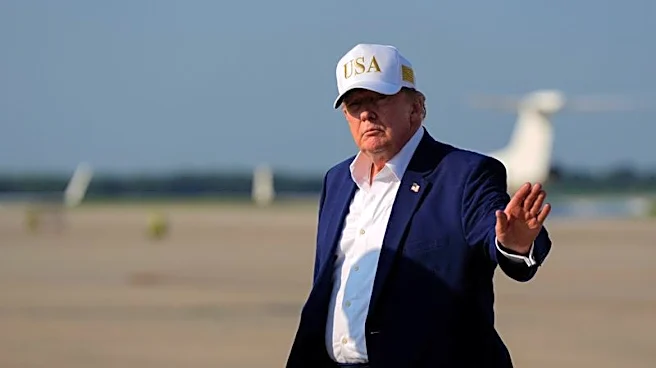
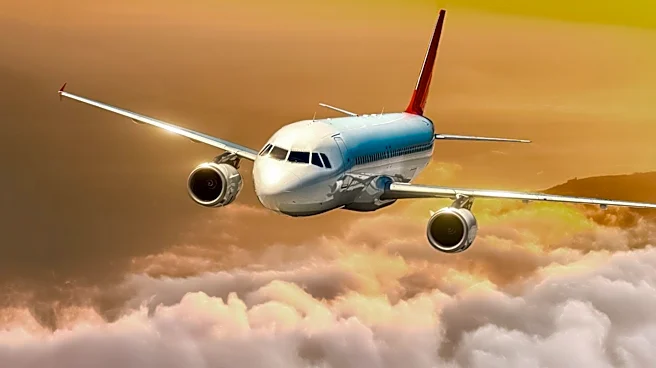
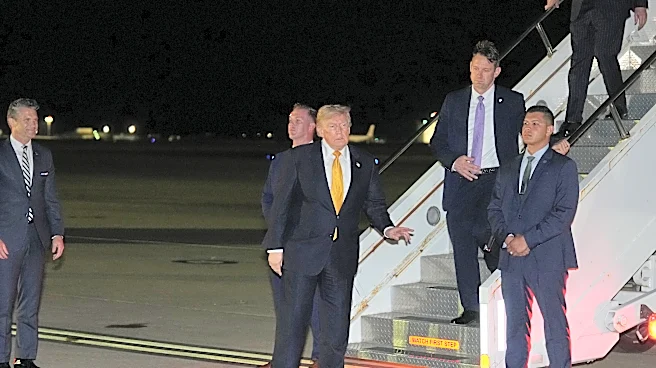
President Trump recently executed a secretive departure from Turkey, reminiscent of a similar operation by former President Bill Clinton. Trump was secretly flown out of Turkey aboard a smaller military aircraft while a decoy Air Force One continued on its
path with reporters and White House personnel. This maneuver echoes Clinton's 2000 visit to Pakistan, where a decoy aircraft was used to ensure his safety amid security concerns. The use of such tactics highlights the complexities and risks associated with presidential travel, especially in regions with heightened security threats.
Why It's Important?
The use of decoy tactics underscores the significant security challenges faced by U.S. presidents during international travel. These operations are critical in protecting the president from potential threats, including terrorism and hostile actions. The incident also reflects the broader geopolitical tensions and the need for careful planning and execution of diplomatic missions. The parallels with Clinton's past operation highlight the continuity of security protocols and the evolving nature of threats faced by world leaders.
Beyond the Headlines
The reliance on decoy tactics raises questions about the transparency and accountability of presidential travel. While necessary for security, such operations can limit media access and public scrutiny. The incident also highlights the ethical considerations of engaging with countries with complex political landscapes and the balance between diplomatic engagement and security concerns.