







What's Happening?
Research into biological age is advancing, focusing on understanding why individuals age at different rates and how this relates to future health. Unlike chronological age, biological age assesses the degree of age-related changes in the body based on physiological,
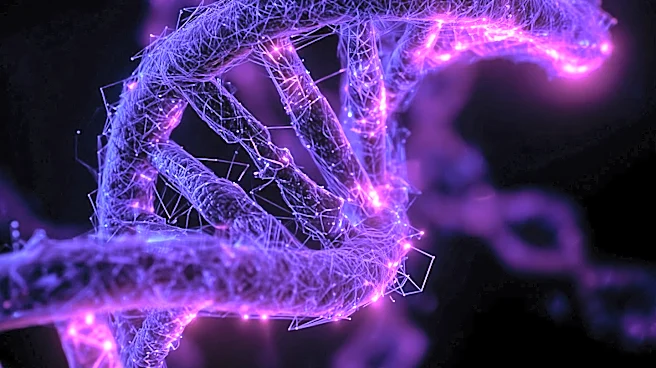
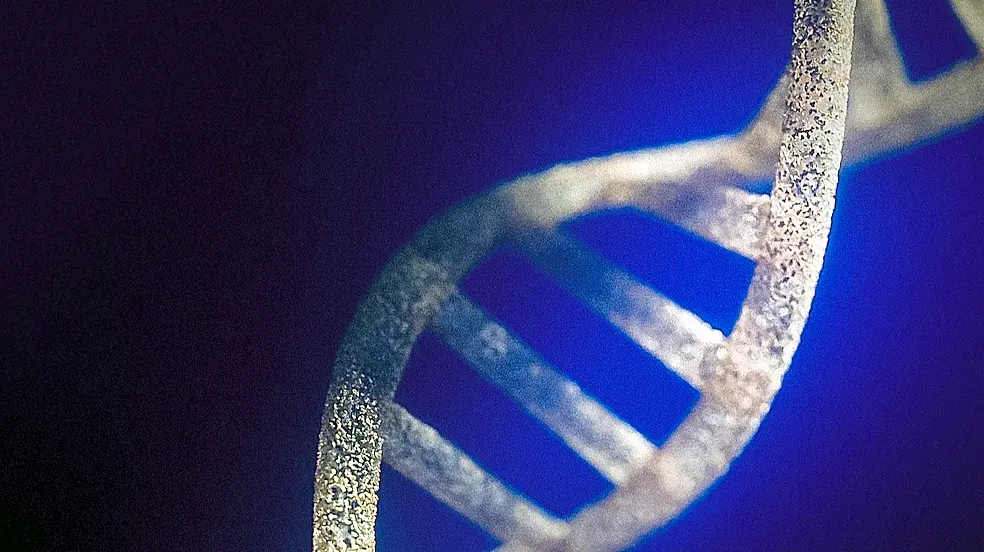
cellular, and molecular characteristics. Studies, such as those published in Nature and Nature Medicine, have shown that different organs within the same person can exhibit varying signs of biological aging, and these organ-specific aging patterns are linked to the likelihood of developing certain diseases. Modern science employs several approaches to determine biological age, including epigenetic clocks, which analyze DNA methylation patterns, and phenotypic age models that combine physiological characteristics. The U.S. National Institute on Aging identifies physical activity, nutrition, sleep, and health management as key approaches to supporting healthy aging.
Why It's Important?
This research is critical for shifting the medical paradigm from a one-size-fits-all approach to aging to a more personalized understanding of health and disease prevention. By identifying individual biological aging rates and organ-specific aging, healthcare professionals can potentially intervene earlier and more effectively to mitigate age-related health risks. This could lead to tailored preventive strategies, lifestyle recommendations, and treatments, ultimately improving healthspan and reducing the burden of chronic diseases on individuals and the healthcare system. The ability to assess functional reserve, which is the body's capacity to maintain normal functioning under stress, provides a more meaningful indicator of health than chronological age alone, empowering individuals to focus on maintaining vitality and independence rather than just extending lifespan.
What's Next?
Future developments in biological age research are expected to refine assessment methods, leading to more accurate and comprehensive tools for determining an individual's biological age. This will likely involve integrating various indicators, including molecular, physiological, and lifestyle data, to create more robust predictive models for health outcomes. The focus will continue to be on identifying actionable interventions that can slow down or even reverse aspects of biological aging. This could lead to the development of new therapies, personalized nutrition plans, and exercise regimens designed to optimize individual health trajectories. There will also be an increased emphasis on public education to help individuals understand their biological age and adopt lifestyle changes that promote healthy aging, moving towards a proactive and preventive healthcare model.
Beyond the Headlines
The concept of biological age challenges fundamental societal perceptions of aging, moving beyond the simple passage of time to a more nuanced understanding of the body's internal state. This shift has profound ethical and cultural implications, as it could redefine what it means to be 'old' and influence policies related to retirement, healthcare access, and age-based discrimination. The ability to potentially 'reduce' biological age, even if it means slowing down age-related changes, could lead to a greater emphasis on individual responsibility for health and well-being. However, it also raises questions about equitable access to advanced diagnostics and interventions, ensuring that the benefits of this research are available to all, not just a privileged few. Ultimately, biological age research has the potential to transform how we approach health, longevity, and the very experience of aging in society.