




What's Happening?
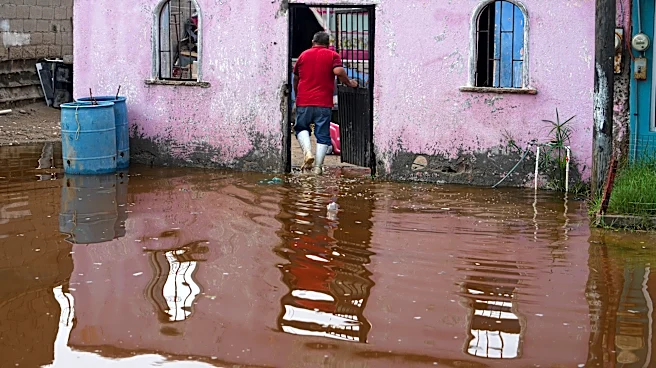
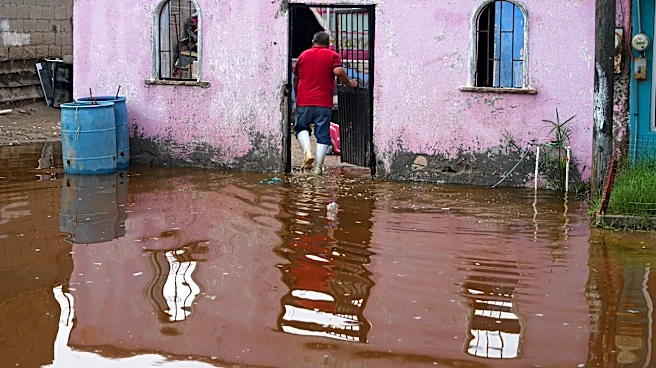
Shabnam Baloch, Country Director of Oxfam South Sudan, has highlighted that the El Niño weather phenomenon is intensifying one of the world's most severe humanitarian crises in South Sudan. The country is simultaneously grappling with conflict, displacement,
flooding, economic instability, weak institutions, and food insecurity. The United Nations Office for the Co-ordination of Human Affairs (OCHA) issued an Eastern Africa El Niño Preparedness Alert in August, forecasting a stronger El Niño in late 2026, which is expected to bring increased risks of both drought and flooding across the region. This situation is pushing already vulnerable communities closer to their breaking point. As of April this year, acute food insecurity is alarmingly high, with 7.8 million people facing extreme hunger, and 73,300 individuals in some areas are now facing starvation. In addition to hunger, South Sudan is battling its largest-ever cholera outbreak and the risk of Ebola spreading from the Democratic Republic of Congo, while less than half of the population has access to primary healthcare.
Why It's Important?
The compounding crises in South Sudan, exacerbated by El Niño, represent a critical humanitarian emergency with far-reaching implications. The severe food insecurity, coupled with widespread displacement and health crises like cholera and the threat of Ebola, creates a dire situation for millions. The lack of access to basic healthcare means treatable illnesses often become life-threatening, further straining an already fragile population. This situation underscores the disproportionate impact of climate change on countries that have contributed the least to global emissions, highlighting a significant global injustice. The shrinking humanitarian resources globally, with aid budgets being cut, mean that the capacity to respond to these escalating needs is severely limited. This not only affects the immediate survival of individuals but also undermines long-term development and stability in the region, potentially leading to further displacement and regional instability.
What's Next?
The immediate future for South Sudan involves continued efforts by humanitarian organizations like Oxfam to provide aid amidst dwindling resources. The anticipated stronger El Niño in late 2026 suggests that the risks of both drought and flooding will intensify, likely leading to further displacement and increased food insecurity. There is an urgent call for the international community to match the resilience of the South Sudanese people with adequate resources, political will, and climate action. Without increased funding and sustained attention, the humanitarian situation is expected to deteriorate further, leading to more deaths from hunger and disease. The focus will be on improving access to healthcare, food, and clean water, as well as implementing measures to mitigate the effects of climate-induced disasters. The global community's response to this crisis will be a test of its commitment to addressing climate justice and humanitarian aid.
Beyond the Headlines
The crisis in South Sudan reveals a deeper ethical and systemic issue: the 'adaptation accountability gap.' Countries like South Sudan, which are least responsible for climate change, are bearing its most severe consequences. The resilience demonstrated by its communities, particularly women rebuilding households after floods and local leaders mediating peace, is remarkable but should not be a justification for the international community to neglect its responsibilities. The shrinking global aid budgets, at a time when needs are critical, highlight a failure of international solidarity and a potential shift in global priorities away from the most vulnerable. This situation also raises questions about the effectiveness of current global climate action frameworks and the equitable distribution of resources for adaptation and mitigation. The long-term implications include potential for increased regional migration, heightened conflict over scarce resources, and a perpetuation of cycles of poverty and instability if systemic issues are not addressed.