








What's Happening?
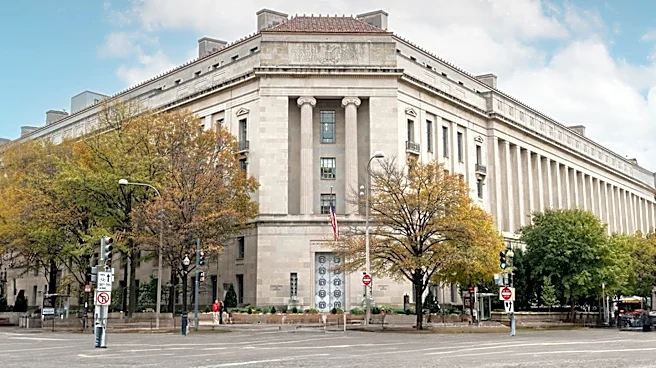
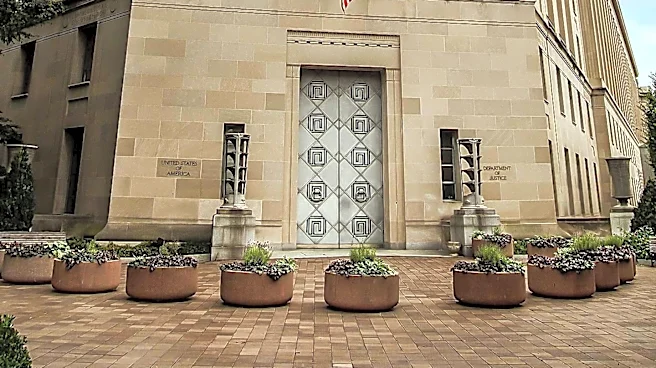
The Department of Justice (DOJ) has announced charges against 455 individuals, including 90 doctors and other licensed medical professionals, for their involvement in healthcare fraud schemes totaling over $6.5 billion. This operation, part of a two-week
coordinated effort by the DOJ's Health Care Strike Force, represents a significant crackdown on fraudulent activities within the healthcare sector. The charges include a record number of defendants and a substantial amount of false claims related to Medicaid. The DOJ's efforts are supported by the Centers for Medicare and Medicaid Services (CMS) and international partners. The operation has led to the suspension of over 1,000 providers and the revocation of billing privileges for more than 1,400 providers. Additionally, the DOJ has seized over $182 million in assets, including cash, luxury vehicles, and jewelry.
Why It's Important?
This large-scale enforcement action underscores the U.S. government's commitment to combating healthcare fraud, which poses a significant threat to the integrity of the healthcare system. By targeting fraudulent schemes, the DOJ aims to protect public funds and ensure that resources are available for legitimate healthcare needs. The operation highlights the use of advanced data analytics to identify and prevent fraudulent activities before they can cause harm. This approach not only saves taxpayer money but also deters potential fraudsters by demonstrating the government's ability to detect and prosecute complex schemes. The crackdown is expected to have a deterrent effect on future fraudulent activities, thereby safeguarding the interests of patients and the healthcare system.
What's Next?
The DOJ's announcement indicates ongoing efforts to enhance fraud detection and prevention capabilities. The use of data analytics and collaboration with various agencies will likely continue to play a crucial role in future operations. The DOJ's Health Care Fraud Strike Force, established in 2007, will persist in its mission to identify and prosecute healthcare fraud. The recent takedown may prompt healthcare providers to review their practices to ensure compliance with regulations. Additionally, the CMS's focus on freezing suspicious payments and shutting down fraudulent networks is expected to continue, further strengthening the integrity of healthcare programs.