





What's Happening?
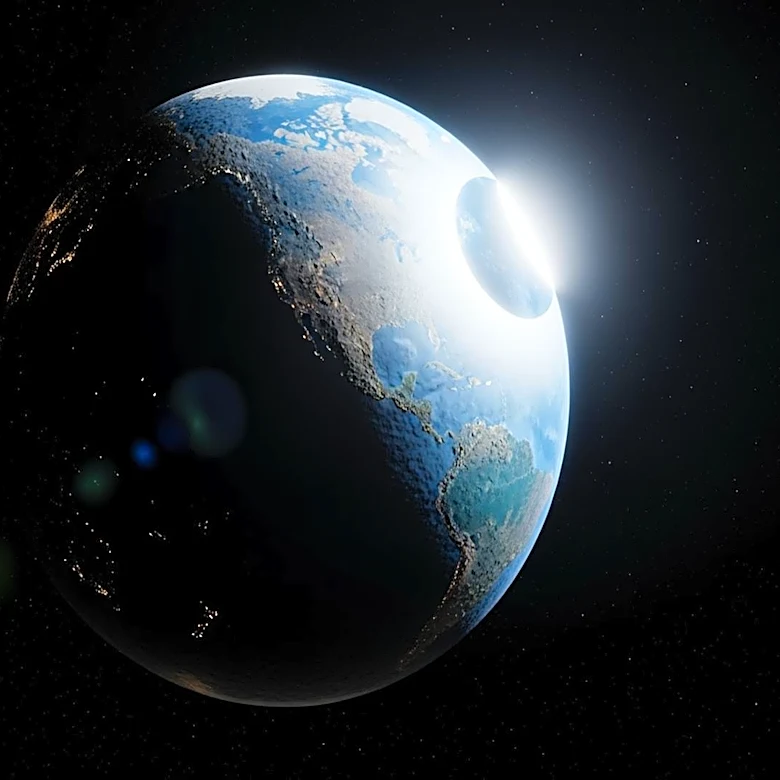
A study published in the journal Nature reveals that microplastics and nanoplastics, particularly from the Great Pacific Garbage Patch, are contributing to global warming. Researchers from China and the US found that these tiny plastic particles, which
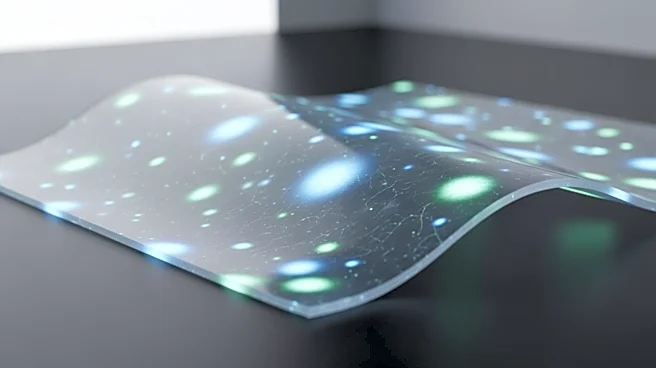
can be airborne, absorb sunlight and have a warming effect on the planet. The study highlights that colored plastics, such as red, yellow, blue, and black, absorb significantly more light than clear plastics, acting like a 'black T-shirt' that soaks up heat. The research suggests that the warming impact of these particles is roughly 16% of that caused by black carbon, a known pollutant.
Why It's Important?
The findings of this study highlight a previously overlooked link between plastic pollution and climate change. As microplastics and nanoplastics continue to accumulate in the environment, their contribution to global warming could increase, exacerbating climate change impacts. This research underscores the need for updated climate models that account for the warming effects of airborne plastics. It also emphasizes the importance of addressing plastic pollution as part of broader climate change mitigation efforts.
Beyond the Headlines
The study suggests that the warming impact of microplastics may be particularly pronounced in ocean areas where plastic accumulates, such as the Great Pacific Garbage Patch. This could have localized effects on marine ecosystems and weather patterns. The research also raises questions about the long-term environmental and health impacts of microplastics, highlighting the need for further study to fully understand their role in climate change and their potential effects on human health.