






What's Happening?
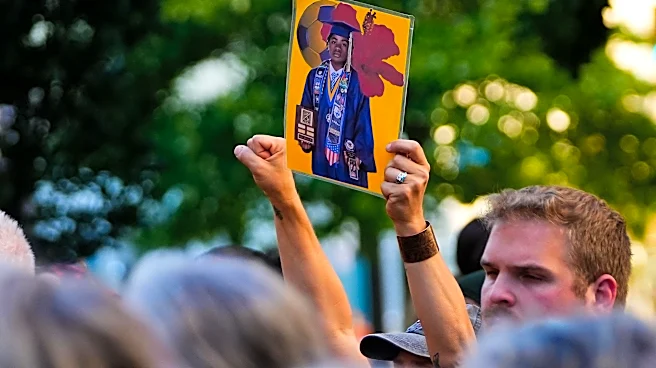
Pierre Damas Bel, a 20-year-old Haitian immigrant in Springfield, Ohio, died by suicide on August 31, shortly after his Temporary Protected Status (TPS) expired and he was fitted with an electronic ankle monitor by Immigrations and Customs Enforcement
(ICE). Bel, an honors neuroscience student at Wright State University and an avid soccer player, was among approximately 340,000 Haitians whose TPS expired after the Supreme Court declined to intervene. His family stated that the ankle monitor made him feel like he was treated "like an animal" and led to his withdrawal. Bel himself posted on Instagram about the shame and humiliation of wearing the monitor, questioning how he could pursue college sports with it. ICE maintains that attempts to blame them for his death are false, stating that no one is required to stay in the U.S. illegally and wear a monitor. Ohio's Republican Governor Mike DeWine called Bel's death a "horrible, horrible tragedy" and criticized the ending of TPS for Haitian residents as "misguided and wrong."
Why It's Important?
This tragic event highlights the severe human impact of U.S. immigration policies, particularly the termination of Temporary Protected Status for certain nationalities. The case of Pierre Damas Bel underscores the psychological toll that immigration enforcement measures, such as electronic monitoring and the threat of deportation, can have on individuals, especially those who have established lives and educational pursuits in the U.S. The expiration of TPS for Haitians, amidst ongoing instability and danger in Haiti, raises critical questions about humanitarian responsibilities and the potential consequences of returning individuals to unsafe conditions. This incident also brings to the forefront the debate surrounding the balance between immigration enforcement and the well-being of individuals within the immigration system, prompting calls for reevaluation of policies by advocates and some political figures.
What's Next?
The death of Pierre Damas Bel is likely to intensify advocacy efforts by organizations like the Haitian Support Center and the Haitian Bridge Alliance, who are working to support affected families and challenge current immigration policies. There may be increased pressure on the Department of Homeland Security to reconsider the extension of TPS for other groups, such as the 180,000 Salvadorans whose status is set to expire soon. This incident could also fuel further legal challenges against the termination of TPS designations. Public and political discourse around immigration enforcement, mental health support for immigrants, and the conditions in countries of origin for TPS holders are expected to grow. The case may also prompt internal reviews within ICE regarding the psychological impact of their monitoring practices.
Beyond the Headlines
This incident exposes the deeper ethical and moral dilemmas embedded within immigration policy. The narrative of Pierre Damas Bel, a promising student who felt dehumanized by the system, challenges the often-impersonal language of immigration law and enforcement. It raises questions about the societal responsibility towards individuals who have lived in the U.S. for extended periods under protected status, contributing to society, and then face sudden precarity. The contrast between the stated goals of immigration enforcement and the individual human cost, as seen in Bel's case, highlights a profound tension. It also underscores the need for a more comprehensive approach to immigration that considers mental health, social integration, and the real-world consequences of policy decisions on vulnerable populations, moving beyond purely legalistic interpretations.