





What's Happening?
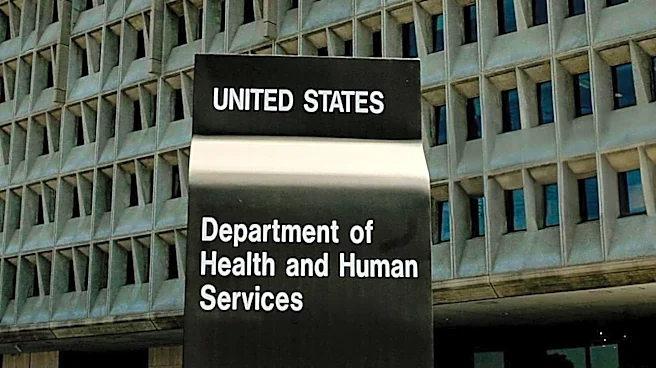
The U.S. Department of Health and Human Services (HHS) Office of Inspector General (OIG) has transmitted the findings of the State of Rhode Island, Office of the Auditor General’s Report, titled 'Provider Compliance with Opioid Treatment Program Requirements.'
This memo, issued on November 19, 2026, forwards the report, which was originally issued on October 7, 2026, to the Center for Medicaid and CHIP Services. The State of Rhode Island, Office of the Auditor General, is solely responsible for the audit report and its conclusions. The OIG explicitly states that it is not expressing an opinion on the report or its results. The report may also be subject to section 5274 of the National Defense Authorization Act Fiscal Year 2023.
Why It's Important?
This transmission highlights the ongoing federal oversight and collaboration with state agencies in addressing critical healthcare issues, specifically provider compliance within opioid treatment programs. The opioid crisis remains a significant public health challenge in the U.S., and ensuring that treatment programs adhere to established requirements is vital for effective patient care and the responsible use of public funds. The report's focus on provider compliance suggests an emphasis on accountability and quality of care within these programs, which are often funded through federal and state Medicaid and CHIP services. The OIG's role in transmitting such reports underscores its function in promoting efficiency and preventing fraud and abuse within HHS programs, even when not directly endorsing the report's findings.
What's Next?
The Center for Medicaid and CHIP Services will review the findings presented in the Rhode Island Auditor General's report. This review could lead to further actions, such as policy adjustments, enhanced oversight, or recommendations for improvements in opioid treatment program compliance within Rhode Island. The report's potential subjection to the National Defense Authorization Act Fiscal Year 2023 suggests that its findings could also inform broader legislative or policy discussions at the federal level regarding healthcare oversight and funding. State and federal agencies will likely continue to collaborate on strategies to improve the effectiveness and integrity of opioid treatment programs.
Beyond the Headlines
The transmission of this report reflects the complex interplay between state and federal entities in managing public health crises. It underscores the importance of independent audits in ensuring transparency and accountability in healthcare delivery, particularly in areas as sensitive as opioid treatment. The OIG's neutral stance on the report's conclusions, while transmitting its findings, highlights the division of labor and expertise within government oversight. This process is crucial for identifying systemic issues, improving program efficacy, and ultimately safeguarding the well-being of individuals affected by the opioid crisis. The ongoing scrutiny of opioid treatment programs also points to the evolving understanding of addiction and the need for evidence-based, compliant care models.