



What's Happening?

The tri-state area is bracing for a winter dominated by unusually strong El Niño conditions, which are characterized by warmer-than-normal ocean temperatures in the equatorial Pacific Ocean. This phenomenon influences global atmospheric wind flow and,
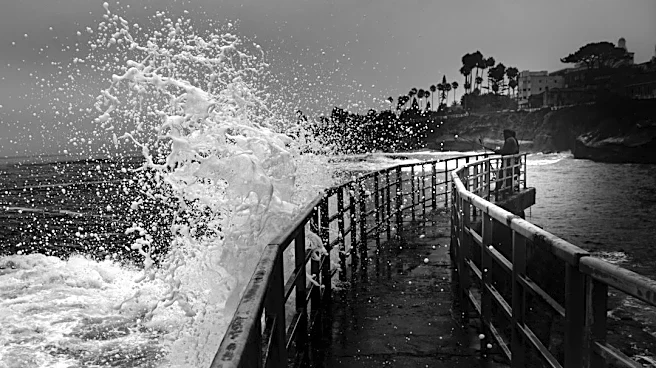
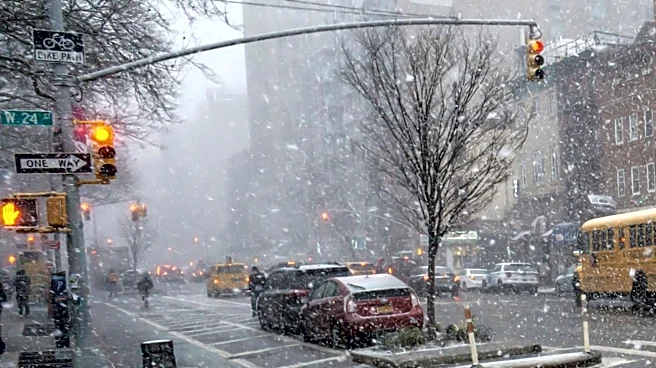
consequently, winter weather patterns in the Northern Hemisphere. This year's El Niño is described as 'super' due to temperature anomalies in the equatorial Pacific being around 3 degrees above normal and projected to increase further into the winter. Historically, El Niño winters favor weather patterns that promote nor'easters, as a moisture-laden Pacific jet stream sweeps across the southeastern U.S. and up the East Coast, funneling deep moisture. Storm systems typically develop along this jet stream, leading to coastal impacts. While these storm tracks are often far enough south to remain offshore from the tri-state, they can still deliver powerful northeasterly winds that cause significant beach erosion. The current forecast suggests a heightened probability of multiple, super-charged nor'easters for the East Coast, potentially bringing substantial snow if combined with frigid temperatures.
Why It's Important?
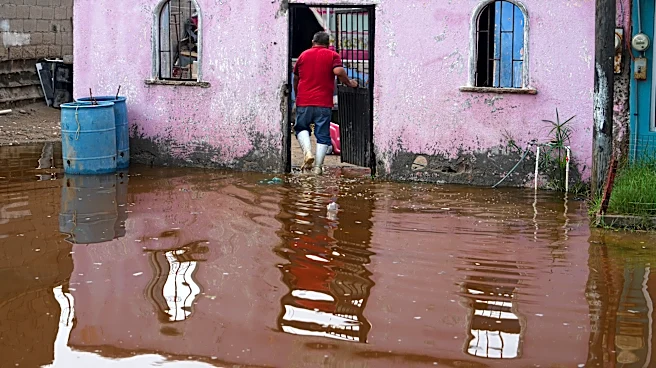
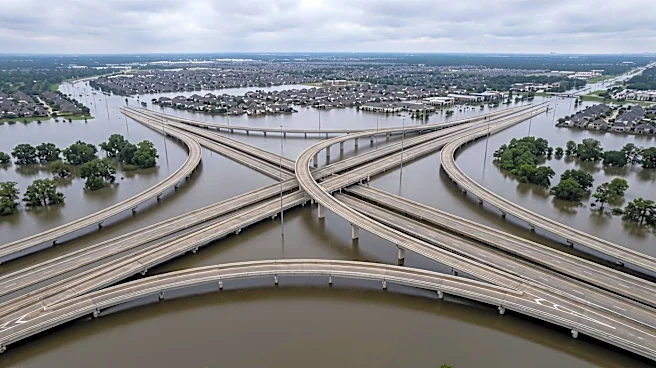
The persistence of strong El Niño conditions carries significant implications for the U.S. East Coast, particularly the tri-state area. The increased likelihood of nor'easters poses a direct threat to coastal infrastructure and communities, with potential for severe beach erosion and property damage. For industries such as shipping and fishing, altered weather patterns and increased storm activity could disrupt operations and impact livelihoods. Furthermore, the potential for heavy snowfall could strain municipal resources for snow removal, affect transportation, and lead to economic disruptions from business closures and reduced consumer activity. The agricultural sector, while less directly impacted in the tri-state area by El Niño's immediate effects, could face broader consequences from altered precipitation patterns across other U.S. regions. The 'super' El Niño also highlights the broader challenge of climate variability and its impact on regional weather, necessitating robust preparedness and adaptation strategies from local governments and communities to mitigate potential hazards and economic losses.
What's Next?
As the tri-state area heads into winter, authorities and residents will need to monitor weather forecasts closely, particularly for the development of nor'easters. Local agencies are expected to continue their preparations for potential storms, including inspecting and maintaining stormwater drains and reviewing emergency response protocols. The National Weather Service will likely escalate its messaging only when there is sufficient scientific evidence of a storm's arrival, focusing on actionable forecasts. Residents are advised to prepare for potential stormy conditions by understanding local hazards, planning for road closures, and ensuring emergency supplies are ready. The timing of the storm season remains uncertain, with El Niños historically generating storms as early as November and December or as late as January and February. The interaction of El Niño with other atmospheric factors, such as the polar vortex, will be crucial in determining the severity of winter conditions, including the likelihood of Arctic air plunging into the northeastern U.S. and contributing to significant snowfall.
Beyond the Headlines
The 'super' El Niño event underscores the complex interplay between oceanic and atmospheric phenomena and their far-reaching consequences. Beyond immediate weather impacts, such strong climate signals can influence long-term climate research and modeling, providing valuable data for understanding and predicting future climate patterns. The emphasis on 'prepare, don't panic' by officials highlights the societal challenge of communicating scientific forecasts effectively to the public, especially amidst the spread of misinformation on social media. This situation also brings to light the ethical responsibility of media and public officials to provide accurate, actionable information without inciting undue fear. The potential for increased nor'easters and snow could also prompt discussions on climate resilience and infrastructure investment in coastal regions, as communities grapple with the recurring nature of extreme weather events. Furthermore, the global nature of El Niño's effects means that while the tri-state area focuses on its regional impacts, other parts of the world may experience droughts, floods, or wildfires, demonstrating the interconnectedness of global climate systems.