




What's Happening?
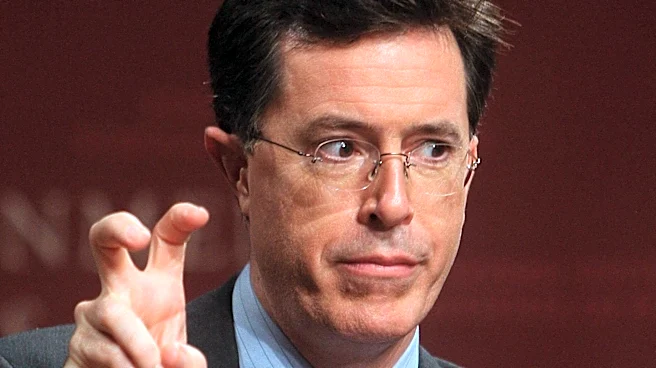
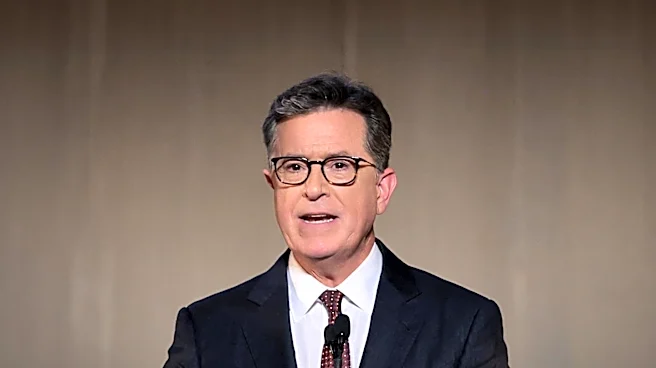
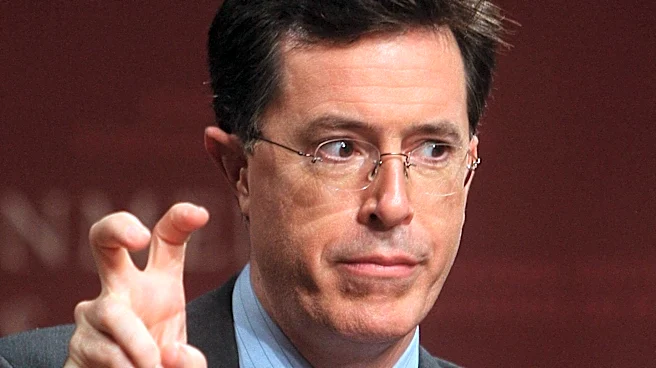
An event featuring comedian Stephen Colbert and cellist Yo-Yo Ma at Harvard University's Sanders Theatre was cut short due to a fire alarm. The incident occurred approximately 40 minutes into their conversation, titled 'Arts for Life’s Sake,' which was part
of the Office of the Arts’ 'Learning from Performers' series celebrating its 50th anniversary. A sold-out crowd, along with Colbert and Ma, was evacuated from the building. Outside, a group of about 50 protesters from the Harvard Graduate Students Union-United Auto Workers (HGSU-UAW) were demonstrating. The union, currently on strike, had previously urged Colbert and Ma to cancel their appearance in solidarity. While the union stated they had no involvement with the fire alarm, their picketing outside the venue, involving drums, signs, and chants, was audible inside the theater prior to the evacuation. No cause for the fire alarm was identified, and the 90-minute event did not resume.
Why It's Important?
This incident highlights the ongoing labor disputes at Harvard University and the broader impact of union actions on public events and institutional operations. The disruption of a high-profile event featuring prominent figures like Stephen Colbert and Yo-Yo Ma draws significant attention to the graduate student union's demands, which include issues related to compensation, protections for international students, and procedures for handling harassment and discrimination complaints. For Harvard, the event's premature end, regardless of the fire alarm's cause, underscores the challenges of managing labor relations while maintaining its public image and academic programming. The union's appeal to Colbert, a Writers Guild of America member who participated in their 2023 strike, also emphasizes the growing trend of solidarity across different labor movements and the pressure placed on public figures to align with striking workers.
What's Next?
The immediate future for the 'Arts for Life’s Sake' event remains uncertain, with initial indications of rescheduling conflicting with reports that the event would not be re-held. Harvard University has not yet provided a definitive statement regarding a potential reschedule. The Harvard Graduate Students Union-United Auto Workers is expected to continue its strike, maintaining pressure on the university to negotiate a new contract. This incident may lead to increased scrutiny of Harvard's handling of the strike and could influence public perception of both the university and the union. Further, similar high-profile events at institutions experiencing labor disputes may face similar disruptions or calls for boycotts, as unions seek to maximize their visibility and leverage.
Beyond the Headlines
The interruption of the Harvard event transcends a simple logistical issue, touching upon deeper themes of labor solidarity, institutional responsibility, and the role of public figures in social movements. Colbert's past involvement with the Writers Guild of America strike placed him in a complex position, as unions increasingly expect public figures to honor picket lines. This event also raises questions about the effectiveness of protest tactics, particularly when they intersect with unforeseen circumstances like a fire alarm. The incident could serve as a case study for other universities and organizations grappling with labor unrest, illustrating the potential for disruptions to extend beyond traditional picket lines and impact cultural or academic programming. It also underscores the evolving landscape of labor activism, where digital appeals and public pressure campaigns are becoming as significant as physical demonstrations.