




What's Happening?
Janis Kluge, a research fellow at the German Institute for International and Security Affairs (SWP), estimates a 10% decrease in new contracts signed with Russia’s Ministry of Defense between January and August 2026 compared to the same period in 2025.
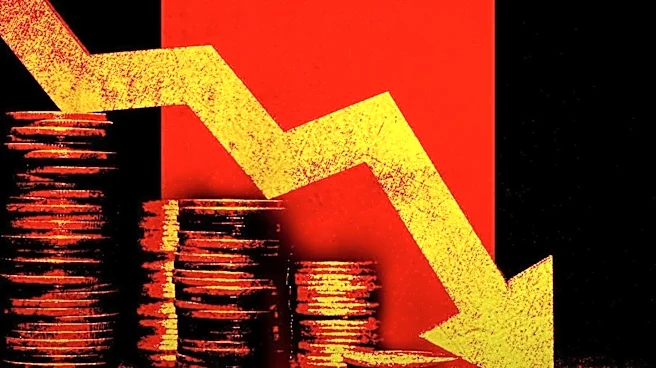
Approximately 234,000 new contracts were signed in 2026, down from 260,000 in 2025. Recruitment rates in August 2026 were also estimated to be 20% lower than the previous year. This decline occurs despite Russian regions increasing signing bonuses, with the average regional bonus reaching approximately 2.34 million rubles by early September 2026. The report highlights that financial incentives are becoming less effective in attracting recruits, suggesting a growing unwillingness among the populace to risk their lives in the ongoing conflict. This trend is further evidenced by official acknowledgments from regions like Bashkortostan, which reduced budget allocations for one-time payments to military contract recruits due to declining numbers, even while maintaining a 1 million ruble payment.
Why It's Important?
The reported decline in Russian military recruitment, as analyzed by the German Institute for International and Security Affairs, indicates potential strains on Russia's ability to sustain its military operations. If financial incentives are no longer sufficient to attract volunteers, Russia may face increasing challenges in maintaining troop levels without resorting to more overt mobilization efforts. This could have significant implications for the duration and intensity of ongoing conflicts, potentially influencing geopolitical stability. The need for increased spending and pressure on regional authorities to meet recruitment targets suggests a growing internal cost for Russia's military strategy. For the U.S. and its allies, this trend could signal a shift in Russia's military capabilities and strategic calculus, potentially affecting international relations and defense planning. The reliance on coercive recruitment practices, as noted in the report, also raises human rights concerns and could further destabilize internal Russian society.
What's Next?
The observed trends suggest that Russia may need to intensify its efforts to recruit personnel, potentially through increased financial incentives, greater administrative pressure on regional authorities, or more coercive measures. The report indicates that local officials are already being penalized for failing to meet recruitment targets, and human rights organizations are documenting a rise in forced recruitment. If these trends continue, Russia might face a critical decision point regarding its mobilization strategy. The Kremlin could either escalate its current covert mobilization model, leading to more widespread coercion, or consider a more overt, large-scale mobilization, which carries significant political and social risks. The balance between recruitment rates and military casualties will be a crucial factor in determining Russia's ability to sustain its current level of military engagement. International observers will likely monitor these developments closely for signs of shifts in Russia's military capacity and internal stability.
Beyond the Headlines
The findings from the German Institute for International and Security Affairs point to deeper societal and economic implications within Russia. The declining effectiveness of financial incentives suggests a growing public awareness of the risks associated with military service, potentially fueled by increasing casualty information spreading within communities. This could lead to a more profound societal resistance to military recruitment, even in the face of economic hardship. The financial strain on regional budgets, which are increasingly burdened with recruitment costs and payments to military personnel, could also lead to reduced spending on civilian needs, exacerbating social discontent. Furthermore, the shift towards administrative and coercive recruitment practices erodes the voluntary nature of military service, transforming it into an obligation enforced by the state. This could have long-term consequences for civil-military relations and the perception of state authority within Russia, potentially fostering a climate of distrust and resentment among the populace.