







What's Happening?
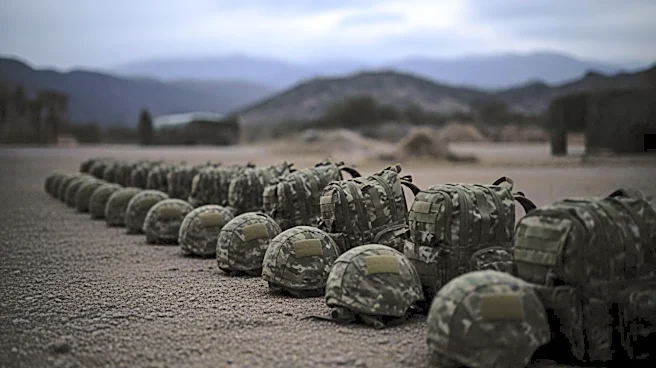
Russia's armed forces have commenced a three-day series of nuclear weapons drills from May 19 to 21, 2026. These exercises involve over 65,000 troops and 7,800 types of equipment and weapons, including more than 200 missile launchers. The drills are taking
place across Russia and include the test-launching of ballistic and cruise missiles. This military activity coincides with heightened tensions in the ongoing Russia-Ukraine conflict and follows the breakdown of the last nuclear arms pact between Russia and the United States. The drills also address the joint training and use of nuclear weapons deployed in Belarus, a close ally of Russia that borders NATO. The announcement of these exercises was made just before President Vladimir Putin's scheduled visit to China.
Why It's Important?
The nuclear drills underscore the escalating military tensions between Russia and Western nations, particularly in the context of the Russia-Ukraine conflict. The breakdown of the New START agreement, which previously imposed restrictions on the nuclear arsenals of Russia and the United States, has heightened global concerns about nuclear proliferation and the potential for military escalation. The deployment of nuclear-capable missiles in Belarus, a country bordering NATO, further complicates the security dynamics in Eastern Europe. This development could lead to increased military readiness and strategic posturing by NATO member states, potentially affecting international diplomatic relations and security policies.
What's Next?
The continuation of these drills may prompt reactions from NATO and other Western countries, potentially leading to increased military exercises or strategic deployments in response. Diplomatic efforts may be intensified to address the security concerns raised by these developments, with potential discussions at international forums such as the United Nations. The outcome of President Putin's visit to China could also influence future geopolitical alignments and strategies, particularly if new agreements or partnerships are formed.
Beyond the Headlines
The drills highlight the ongoing strategic importance of nuclear capabilities in Russia's military doctrine, reflecting a broader trend of nuclear modernization among major powers. This situation raises ethical and legal questions about nuclear deterrence and the risks associated with nuclear brinkmanship. The deployment of nuclear weapons in Belarus also poses challenges to regional stability and could influence future arms control negotiations.