




What's Happening?
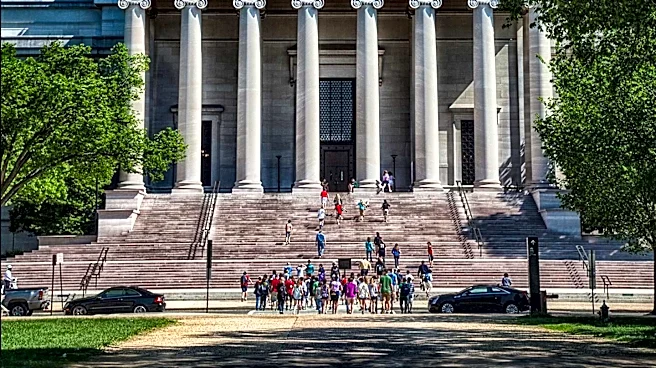
The National Gallery of Art (NGA) in Washington, D.C., remains a prominent cultural institution, offering free admission daily from 10:00 AM to 5:00 PM. The museum is closed only on December 25 and January 1. Located on Constitution Avenue NW, the NGA campus
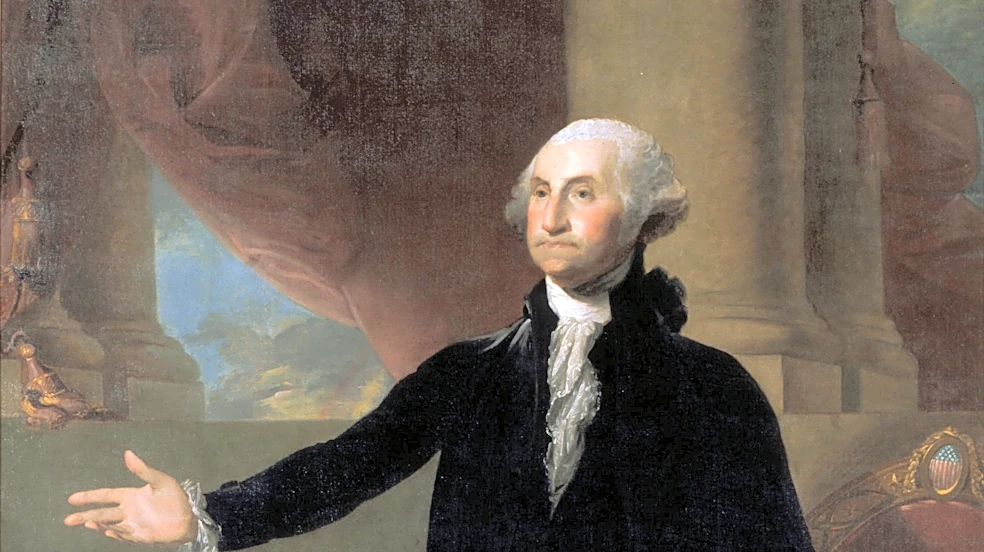
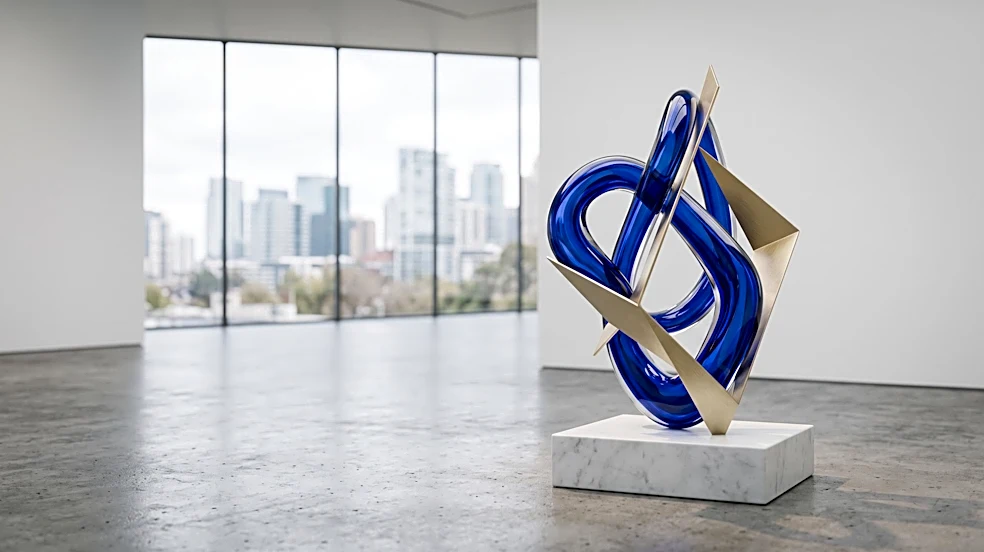
includes the West Building, East Building, and Sculpture Garden. The West Building houses historical collections, including European paintings and sculptures dating back to the 13th century, as well as American art. The East Building, designed by I. M. Pei, focuses on modern and contemporary art, featuring works by artists such as Alexander Calder and Pablo Picasso. The Sculpture Garden displays 17 sculptures, including Robert Indiana's 'LOVE,' and features a fountain that converts into an ice rink during winter months. The NGA also hosts temporary exhibitions, guided tours, and events like NGA Nights, providing a wide range of artistic experiences for visitors.
Why It's Important?
The National Gallery of Art's commitment to free admission makes world-class art accessible to a broad public, reinforcing its role as a key cultural and educational resource in the U.S. Its extensive collection, spanning centuries and artistic movements, offers significant educational value, allowing visitors to engage with diverse artistic expressions from the Middle Ages to the present day. The museum's distinct architectural divisions, with the classical West Building and the modern East Building, provide varied contexts for viewing art, enhancing the visitor experience. Furthermore, the Sculpture Garden integrates art with nature, offering a unique outdoor exhibition space and community gathering point, especially with its seasonal ice rink and summer jazz concerts. The NGA's continuous programming, including temporary exhibitions and guided tours, ensures a dynamic and engaging experience for both local residents and tourists, contributing to Washington, D.C.'s cultural landscape.
What's Next?
The National Gallery of Art will continue its regular operating schedule, remaining open daily from 10:00 AM to 5:00 PM, with closures only on December 25 and January 1. Visitors can anticipate ongoing temporary exhibitions, which regularly highlight distinctive artists across various media. The museum will also maintain its offering of self-guided and daily docent-led tours, along with accessible and thematic tours, available through its website and app. The Sculpture Garden is expected to continue its seasonal transformation, with the fountain operating as an ice rink from late November to early March, weather permitting, and hosting the 'Jazz in the Garden' concert series during the summer. The NGA will also likely continue its diverse program of events, including concerts, lectures, and NGA Nights, encouraging public engagement with art and culture.
Beyond the Headlines
The National Gallery of Art's enduring policy of free admission underscores a broader philosophical commitment to public access to culture and education, distinguishing it from many other major art institutions globally. This approach democratizes art appreciation, ensuring that economic barriers do not prevent individuals from experiencing significant artistic works. The architectural contrast between the West and East Buildings, designed by John Russell Pope and I. M. Pei respectively, reflects evolving philosophies in museum design and art presentation, from classical grandeur to modern minimalism. This duality itself serves as a commentary on the progression of art and architecture. The integration of the 'Multiverse' light installation by Leo Villareal, connecting the two buildings, symbolizes a bridge between historical and contemporary art, creating an immersive experience that transcends traditional gallery spaces. The NGA's role extends beyond mere exhibition; it acts as a custodian of cultural heritage and a dynamic platform for artistic dialogue.