





What's Happening?
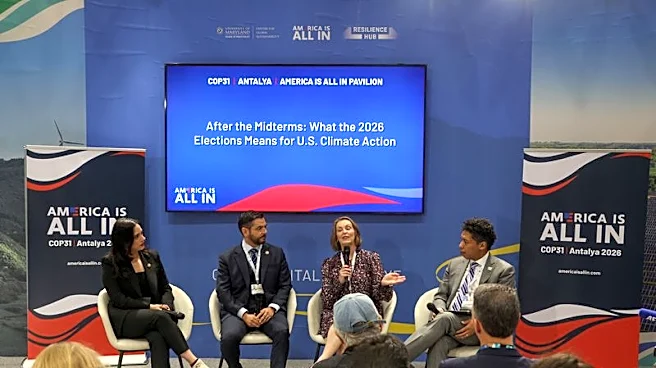
World leaders convened at COP31 in Turkey to discuss global energy strategies, with a central proposal aiming to increase electricity's share of the world's final energy demand to 35% by 2035, up from just over 20% today. This initiative, dubbed 'electrify
everything,' seeks to transition various sectors, including transportation, manufacturing, and industrial processes, from fossil fuels to electric alternatives. The rationale behind this push includes the inherent energy efficiency of electric-powered machines compared to fossil-fueled options, as explained by energy and climate policy expert Jan Rosenow. Additionally, electrification is seen as a crucial step in reducing reliance on imported fossil fuels, a concern highlighted by recent geopolitical events such as the war in the Middle East and the ongoing conflict in Ukraine, which have impacted global oil and gas prices. The European Union, for instance, has already announced plans to increase electricity's share of energy use to 46% by 2040.
Why It's Important?
The 'electrify everything' initiative holds significant implications for global energy markets, environmental policy, and national security. By promoting a widespread shift to electricity, countries aim to substantially reduce carbon emissions, as electrification is a necessary precursor to fully leveraging renewable energy sources. This transition could lead to a decrease in demand for fossil fuels, potentially impacting oil and gas-producing nations and companies. For consumers, the adoption of electric vehicles, heat pumps, and other electric appliances could result in lower energy costs due to increased efficiency and reduced exposure to volatile fossil fuel prices. Furthermore, the move towards electrification enhances energy independence for nations currently reliant on imported fossil fuels, bolstering national security and economic stability. The success of this initiative hinges on global cooperation and significant investment in renewable energy infrastructure to ensure that the increased electricity demand is met with clean sources.
What's Next?
Following discussions at COP31, the 'electrify everything' goal will likely drive policy decisions and investments in various countries. The Senate's bipartisan permitting bill, which recently passed its first major test with a 73-25 vote to formally take up the proposal, is an example of legislative efforts that could accelerate this transition. While the bill aims to speed up permitting timelines for transmission, clean energy, and fossil fuel projects, it is expected to undergo significant revisions before becoming law. The ongoing efforts to integrate more renewables into the grid will be critical, as the environmental benefits of electrification are maximized when the electricity itself is generated from clean sources. Countries will continue to explore and implement strategies to encourage the adoption of electric technologies across residential, commercial, and industrial sectors, with potential incentives and regulatory frameworks to facilitate the shift.
Beyond the Headlines
The 'electrify everything' movement represents a fundamental paradigm shift in how societies generate and consume energy, extending beyond mere technological adoption. It challenges established economic models tied to fossil fuel industries and necessitates a re-evaluation of infrastructure development, urban planning, and international trade relationships. The ethical dimension involves ensuring equitable access to new electric technologies and preventing energy poverty during the transition. Legal frameworks will need to adapt to support the rapid deployment of renewable energy projects and smart grids, while cultural shifts will be required to embrace new energy consumption patterns. In the long term, this initiative could lead to a more decentralized and resilient energy system, less susceptible to geopolitical shocks and more aligned with global climate goals, fundamentally reshaping the global energy landscape for generations to come.