



What's Happening?
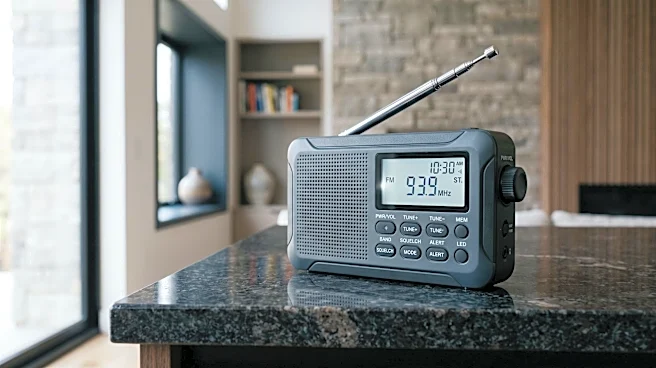
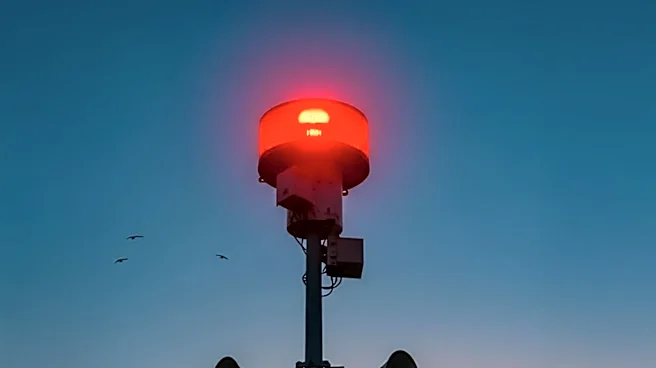
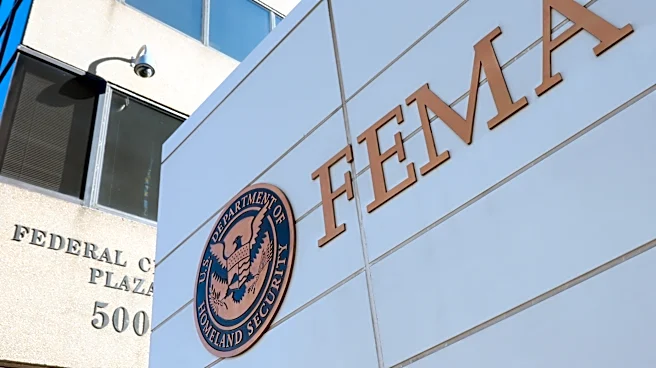
A recent simulated emergency alert from the Federal Emergency Management Agency (FEMA) across U.S. radios and televisions was met with a surge of misinformation, particularly leveraging existing distrust within Spanish-speaking communities. For approximately
one minute, the alert was broadcast, but in the days leading up to it, conspiracy theories circulated online. These theories often linked the scheduled test to recent communication and service outages, such as those affecting Microsoft programs, flights, and banking services, suggesting a larger international catastrophe. Experts, including Dr. Arthur Soto-Vásquez of the University of Nevada, Las Vegas, noted that this misinformation was amplified by a general sense of distrust in institutions, especially prevalent within the Latino community. Rafael Olavarría, a research consultant with the Digital Democracy Institute of the Americas (DDIA), highlighted that the virality of these rumors stemmed from their anchoring in real events, making them more believable.
Why It's Important?
The spread of misinformation surrounding a critical public safety initiative like a FEMA alert poses significant risks to national security and public trust. When false narratives gain traction, they can undermine the effectiveness of legitimate emergency communication systems, potentially leading to confusion, panic, or a lack of response during actual crises. The specific targeting and amplification of these rumors within Spanish-speaking communities are particularly concerning, as it exploits existing vulnerabilities and distrust in institutions. This can further marginalize these communities and make them less likely to heed official warnings or seek assistance during emergencies. The incident underscores the urgent need for effective strategies to combat online misinformation and build trust with diverse populations, ensuring that vital public safety messages are received and understood without distortion.
What's Next?
Following the widespread misinformation, there is an increased focus on understanding and countering such narratives. Organizations like the Digital Democracy Institute of the Americas (DDIA) are analyzing the spread of these claims, particularly in Spanish-language online spaces, to identify patterns and motivations of bad actors. This analysis will likely inform future strategies for government agencies and media outlets to pre-bunk or debunk misinformation more effectively. There will also be a continued emphasis on media literacy and critical thinking among the public, encouraging individuals to scrutinize online information sources. The incident serves as a critical case study for improving communication strategies during national emergency tests and for addressing the underlying factors that contribute to public distrust, especially within vulnerable communities.
Beyond the Headlines
This event highlights a deeper societal issue: the erosion of trust in established institutions and the power of digital platforms to disseminate false information rapidly. The misinformation surrounding the FEMA test, particularly its resonance within Spanish-speaking communities, points to historical and ongoing experiences of marginalization and neglect that foster distrust. The reference to 'apagones' (blackouts) in Latin American contexts, often linked to systemic issues rather than conspiracies, illustrates how real-world experiences can be twisted into conspiratorial narratives. This situation calls for a multi-faceted approach that goes beyond simply debunking lies. It requires addressing the root causes of distrust, fostering inclusive communication strategies, and promoting digital literacy to empower communities to discern credible information. The incident also underscores the challenge of distinguishing between genuine concerns about technology's impact and unfounded conspiracy theories, especially as societies become increasingly reliant on digital systems.