






What's Happening?
Central America is actively promoting eco-tourism, offering a variety of nature-based adventures designed to immerse travelers in its natural beauty while minimizing environmental impact. Countries like Costa Rica, Belize, Guatemala, Mexico, and Panama
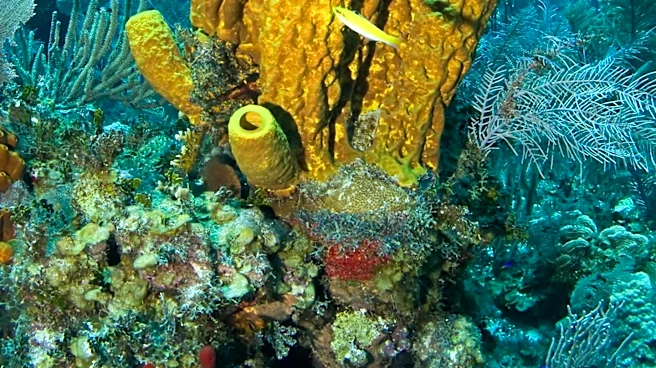
are highlighting their unique ecosystems and biodiversity. Costa Rica, a pioneer in eco-tourism, features rainforest canopy tours and zip-lining. Belize is known for snorkeling and scuba diving in its coral reefs, including the Great Blue Hole. Guatemala offers hiking opportunities on active volcanoes like Pacaya and Acatenango. Mexico's Pacific coast is involved in sea turtle conservation projects, allowing visitors to witness nesting and hatching rituals. Panama, with over 970 recorded bird species, is a prime destination for birdwatching in its national parks and wildlife reserves. These initiatives aim to support local conservation efforts and promote sustainable practices across the region.
Why It's Important?
The emphasis on eco-tourism in Central America is crucial for the preservation of its staggering biodiversity, which includes unique species such as jaguars, quetzals, sea turtles, and various orchids. The delicate balance of these ecosystems is vital for both the region's inhabitants and global environmental stability. By engaging in eco-tourism activities, travelers directly contribute to local conservation initiatives and sustainable practices, providing economic benefits to local communities that incentivize environmental protection. This approach helps to mitigate the negative impacts often associated with traditional tourism, such as habitat destruction and pollution, ensuring that these natural wonders can be enjoyed by future generations. The success of these programs can serve as a model for other regions seeking to balance economic development with environmental stewardship.
What's Next?
Central American countries are expected to continue developing and expanding their eco-tourism offerings, potentially introducing new adventure packages and conservation projects. There will likely be ongoing efforts to educate travelers on responsible tourism practices, such as supporting local businesses and respecting wildlife. The focus will remain on strengthening national parks and protected areas, and fostering collaborations between tourism operators, local communities, and conservation organizations. As awareness of climate change and biodiversity loss grows, the demand for sustainable travel options is anticipated to increase, further driving investment and innovation in the eco-tourism sector across the region. This could lead to more stringent environmental regulations and certifications for eco-tourism providers.
Beyond the Headlines
The rise of eco-tourism in Central America reflects a broader global shift towards more conscious and sustainable travel. This movement challenges traditional tourism models that often prioritize profit over environmental and social well-being. By integrating conservation with economic development, eco-tourism fosters a deeper appreciation for natural environments and indigenous cultures. It also highlights the ethical responsibility of travelers to minimize their footprint and contribute positively to the destinations they visit. This approach can lead to long-term cultural shifts, encouraging both locals and visitors to become stewards of the environment, and promoting a more holistic understanding of the interconnectedness between human activity and ecological health. The success of these initiatives could inspire similar models in other biodiversity-rich regions worldwide.