



What's Happening?
In Ethiopia's Tigray region, tensions are rising as the area braces for the possibility of renewed conflict, three years after a peace deal was signed. The peace agreement, which ended a brutal conflict involving Ethiopian government troops and Tigrayan
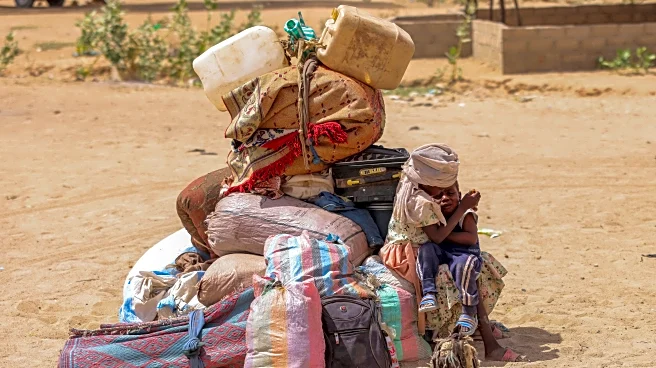
forces, is now under threat as accusations fly between local authorities and the federal government. Tigray's leaders accuse Ethiopian federal authorities of breaching the peace deal with drone strikes, while the Ethiopian government accuses Eritrea of mobilizing armed groups in Tigray. The situation is exacerbated by economic hardships, with local businesses suffering and residents considering leaving the region. The potential for renewed conflict has led to international calls for restraint, with the United Nations and other global entities urging all parties to avoid escalation.
Why It's Important?
The potential for renewed conflict in Tigray is significant as it threatens to destabilize the region further and exacerbate existing humanitarian crises. The previous conflict resulted in thousands of deaths and widespread allegations of human rights abuses, including sexual violence and the use of food as a weapon of war. Renewed hostilities could lead to further displacement of people, increased economic hardship, and a deterioration of living conditions. The situation also poses a challenge to Ethiopia's Prime Minister Abiy Ahmed, who has been working to position Ethiopia as a rising power on the global stage. The international community's involvement, including calls for restraint from the United Nations, highlights the global concern over the potential for conflict to spill over into neighboring regions.
What's Next?
If tensions continue to rise, there could be a resumption of hostilities, which would likely lead to further international intervention and humanitarian efforts. The Ethiopian government may need to engage in diplomatic efforts to de-escalate the situation and address the grievances of Tigray's leaders. Additionally, the international community may increase pressure on all parties to adhere to the peace agreement and seek a peaceful resolution. The situation remains fluid, and the actions of key stakeholders, including Eritrea and the Ethiopian federal government, will be crucial in determining the region's future stability.