





What's Happening?
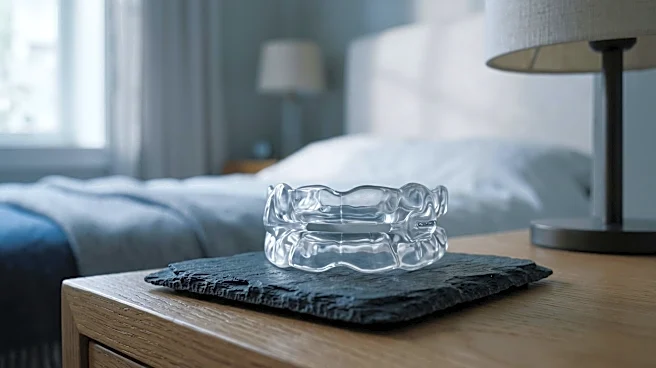
Custom oral appliances are being presented as a comfortable and effective non-surgical alternative to Continuous Positive Airway Pressure (CPAP) therapy for individuals diagnosed with obstructive sleep apnea (OSA) or chronic snoring. These devices are custom-fit
and designed to gently reposition the lower jaw during sleep, which helps to keep the airway open and improve breathing. The process involves advanced digital scanning and precise bite analysis to tailor the appliance specifically to the patient's anatomy, ensuring both comfort and effectiveness. Dental professionals often collaborate with sleep medicine specialists to provide coordinated and comprehensive care, aiming for better sleep, improved breathing, and enhanced overall health for patients. This approach offers a less intrusive option for those who find CPAP therapy challenging or uncomfortable.
Why It's Important?
The availability of custom oral appliances as an alternative to CPAP is significant for the millions of Americans suffering from obstructive sleep apnea. CPAP, while effective, can be difficult for some patients to tolerate due to discomfort, noise, or claustrophobia, leading to poor adherence to treatment. Oral appliances offer a more discreet and potentially more comfortable solution, which could lead to higher compliance rates and better health outcomes. Improved treatment adherence means a reduction in the serious health risks associated with untreated OSA, such as cardiovascular diseases, high blood pressure, and increased risk of accidents due to daytime fatigue. This alternative expands the treatment landscape, providing patients and healthcare providers with more personalized options to manage a widespread and impactful health condition.
What's Next?
As awareness and adoption of oral appliance therapy grow, it is expected that more dental practices will integrate this treatment option into their services, often in conjunction with sleep specialists. Further research may focus on refining the design and materials of these appliances to enhance their efficacy and comfort. Patients diagnosed with OSA who struggle with CPAP therapy are likely to explore oral appliances as a viable alternative, leading to increased demand for dentists trained in this specialized area. The collaboration between dental and sleep medicine professionals is also anticipated to strengthen, fostering a more integrated approach to sleep apnea management and potentially leading to standardized protocols for patient selection and treatment delivery.
Beyond the Headlines
The rise of oral appliance therapy highlights a broader trend in healthcare towards personalized medicine and less invasive treatments. For OSA, this shift acknowledges that a 'one-size-fits-all' approach like CPAP may not be suitable for everyone. It also underscores the critical role dentists can play in overall health, extending beyond traditional oral care to systemic conditions. This development could lead to greater interdisciplinary collaboration in healthcare, breaking down silos between medical and dental fields. Furthermore, it may influence insurance coverage policies, potentially making these custom devices more accessible to a wider population, thereby improving public health outcomes related to sleep disorders.