


What's Happening?
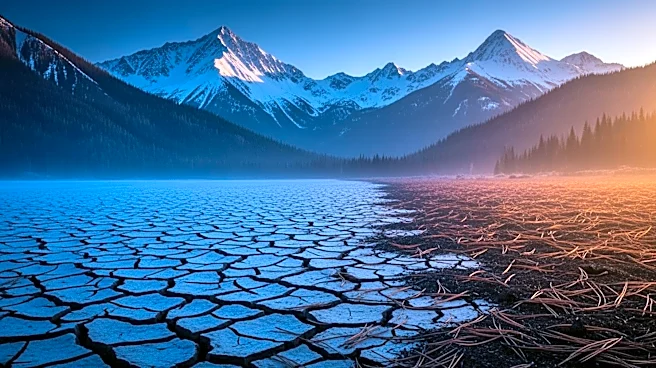
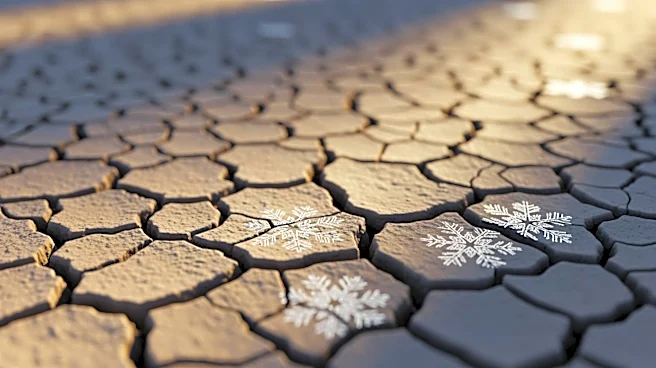
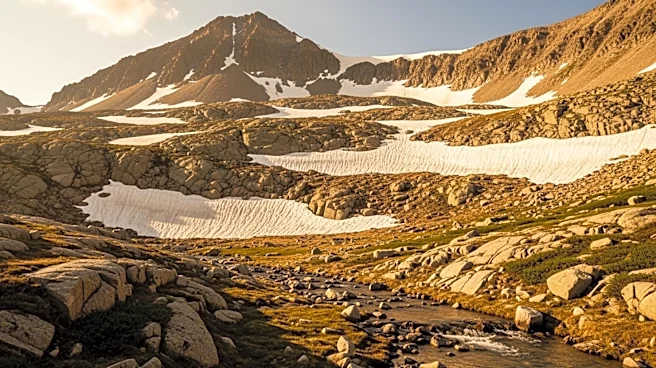
A study conducted by Western Colorado University has found that wildfires in low snowpack years tend to be more severe, burning more living trees. The research highlights a strong correlation between low snowpack and high-severity fires, which can transform
forests into grasslands or shrublands, reducing carbon storage and increasing fire susceptibility. The study's release coincides with Colorado's lowest snowpack year on record, setting the stage for potentially destructive wildfires. Lead author Jared Balik emphasizes the importance of prescribed burns during high snowpack years to mitigate fire severity. The study also notes that climate change is contributing to long-term snowpack decline, particularly in the Colorado River Basin states.
Why It's Important?
The findings underscore the critical role of snowpack in forest fire management and the broader implications of climate change on wildfire behavior. As snowpack levels decline, the risk of high-severity fires increases, posing threats to ecosystems, carbon storage, and air quality. This research highlights the need for strategic forest management practices, such as prescribed burns, to reduce fuel loads and prevent catastrophic fires. The study also serves as a warning for policymakers and environmental agencies to address climate change impacts and implement measures to protect vulnerable regions from escalating wildfire risks.
What's Next?
With the potential for a severe wildfire season, Colorado and other affected states may need to enhance their fire management strategies. This could involve increasing resources for prescribed burns during favorable conditions and improving public awareness about fire prevention. Additionally, policymakers might consider investing in climate adaptation measures to mitigate the long-term impacts of declining snowpack on wildfire behavior. The study's findings could also prompt further research into regional variations in fire severity and the role of climate cycles like El Niño in influencing fire risk.