




What's Happening?
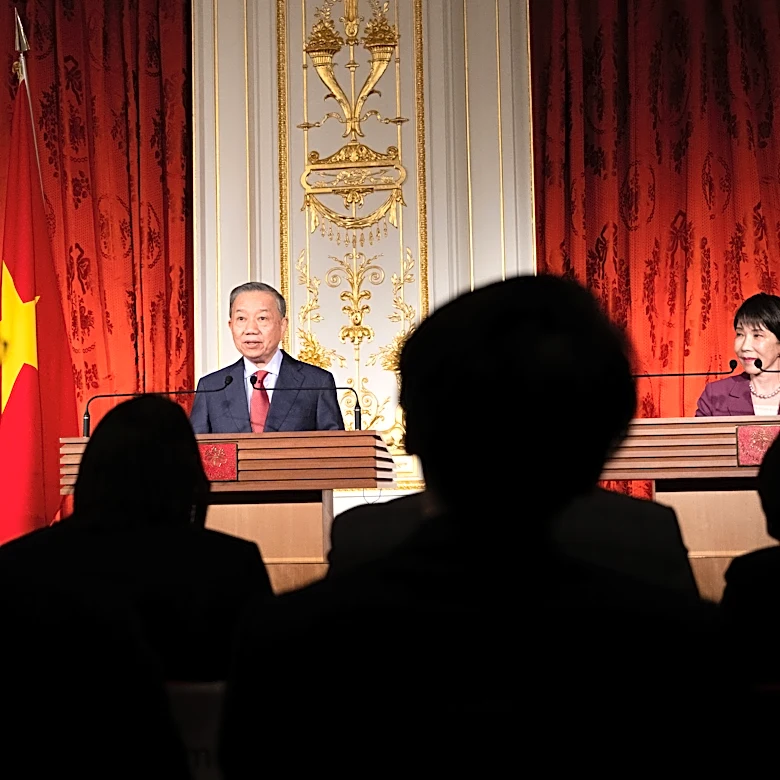
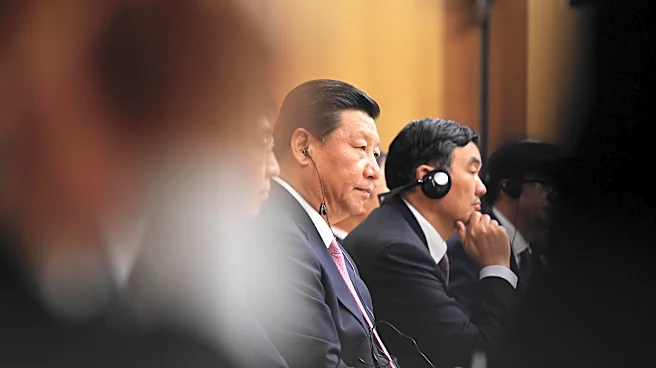
The 11th Lancang-Mekong Cooperation (LMC) Foreign Ministers’ Meeting, held in Beijing, concluded with significant agreements to deepen collaboration between China and the five Mekong countries. Member of the Political Bureau of the CPC Central Committee
and Foreign Minister Wang Yi, alongside Deputy Prime Minister and Minister of Foreign Affairs of Thailand Sihasak Phuangketkeow, announced the outcomes. Since its inception in 2016, the LMC has fostered an all-round, multi-level cooperation architecture, leading to tangible and inclusive results. Trade between China and the Mekong countries has surged to over US$500 billion, marking a 150 percent increase over the past decade and accounting for approximately half of the total trade volume between China and ASEAN. Key areas of enhanced cooperation include the implementation of the LMC Economic Development Belt, the Lancang-Mekong Innovation Corridor, and the Safe Lancang-Mekong Operation, which has targeted cross-border online gambling and telecom fraud. The LMC Special Fund has supported over 1,000 development projects, and China's Lancang-Mekong Visa has facilitated people-to-people exchanges.
Why It's Important?
This deepened cooperation between China and the Mekong countries holds significant implications for regional stability and economic development. The substantial increase in trade volume underscores China's growing economic influence in Southeast Asia, potentially reshaping regional supply chains and trade dynamics. The focus on infrastructure projects like the LMC Economic Development Belt and the Lancang-Mekong Innovation Corridor could enhance connectivity and economic integration, benefiting participating nations through improved trade routes and technological advancements. Furthermore, collaborative efforts in security, such as the Safe Lancang-Mekong Operation, address transnational crimes, contributing to regional stability. The LMC's emphasis on disaster management and early warning systems is crucial for a region frequently affected by natural calamities, potentially saving lives and mitigating economic losses. For the United States, this growing alignment could present both challenges and opportunities, as it navigates its own strategic interests and partnerships in the Indo-Pacific region amidst China's expanding influence.
What's Next?
Following the successful 11th LMC Foreign Ministers’ Meeting, the focus will be on implementing the second Five-Year Plan of Action on Lancang-Mekong Cooperation. This plan aims to further strengthen solidarity, promote opening-up, expand green innovation, intensify security coordination, and enhance disaster management. Specific initiatives include deepening cooperation along the New International Land-Sea Trade Corridor, promoting trade and investment liberalization, and building an information-sharing platform for water resources cooperation. The LMC will also advance tourism cooperation, establish the Lancang-Mekong Tourism Cities Cooperation Alliance, and continue to utilize the LMC Special Fund for livelihood programs. In terms of innovation, there will be increased collaboration in digital economy, artificial intelligence, smart manufacturing, and smart agriculture. Security efforts will involve strengthening the Lancang-Mekong Integrated Law Enforcement and Security Cooperation Center and institutionalizing judicial cooperation. Disaster management will see the establishment of a cross-border early-warning mechanism and a Disaster Management and Rescue Cooperation Center.
Beyond the Headlines
The Lancang-Mekong Cooperation initiative extends beyond immediate economic and security benefits, fostering a deeper sense of shared future among the participating nations. The commitment to the 'LMC culture of equality, sincerity, mutual assistance and kinship' suggests an effort to build long-term diplomatic and cultural ties, potentially creating a more cohesive regional bloc. The emphasis on green innovation and smart development in emerging areas like AI and smart agriculture indicates a forward-looking approach, aiming to position the region at the forefront of technological advancement. This could lead to significant shifts in industrial landscapes and agricultural practices, promoting sustainable development. The initiative's focus on people-to-people exchanges, facilitated by the Lancang-Mekong Visa, also contributes to cultural understanding and strengthens social bonds, which are crucial for sustained regional cooperation. This comprehensive approach, blending economic, security, environmental, and cultural elements, aims to create a robust and resilient regional partnership.