





What's Happening?
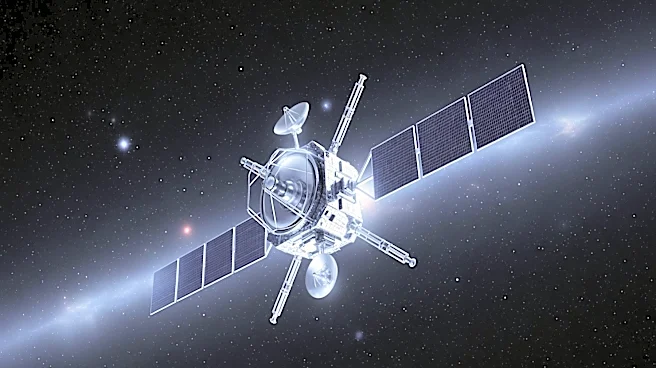
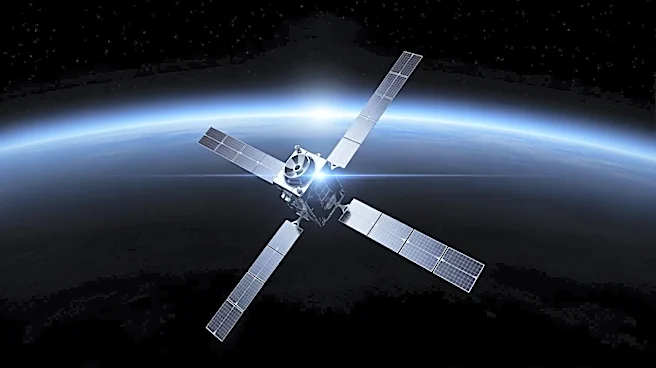
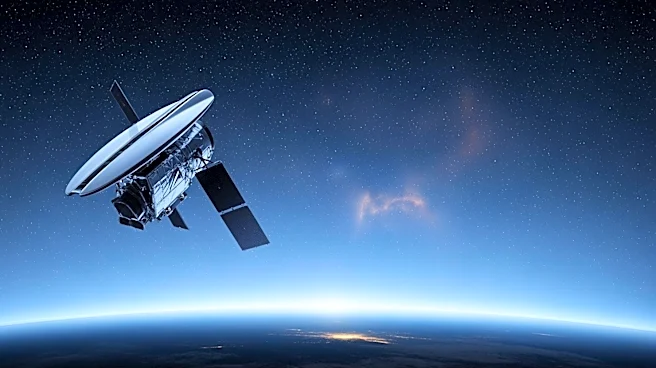
NASA's Swift Observatory, originally launched in 2004 as the Swift Gamma-ray Observatory, is set to receive a boost to extend its mission. The spacecraft, which was renamed in 2018 in honor of Neil Gehrels, is a multiwavelength observatory designed to study
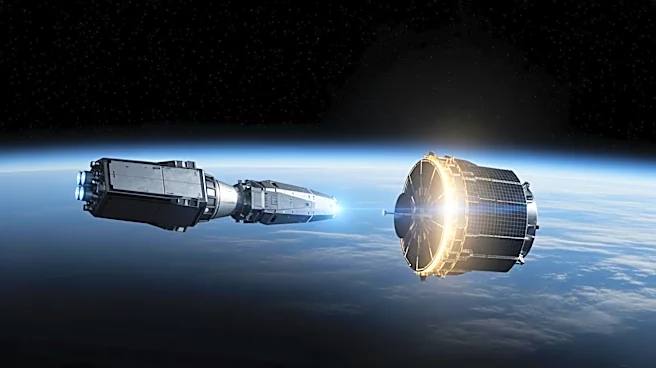
gamma-ray bursts. It has been a key player in time-domain astronomy and multimessenger astronomy, contributing to the study of cosmic phenomena such as black holes and comets. In January 2025, NASA identified that Swift would re-enter Earth's atmosphere by summer 2026. To prevent this and extend its operational life, NASA plans to boost the observatory, demonstrating a key capability for future space exploration.
Why It's Important?
The decision to boost the Swift Observatory is significant for several reasons. Firstly, it underscores NASA's commitment to maximizing the utility of its existing space assets, thereby extending the scientific return on investment. The mission's extension will allow continued contributions to the study of gamma-ray bursts and other cosmic phenomena, which are crucial for understanding the universe. Additionally, the boost operation serves as a testbed for future spacecraft servicing missions, potentially paving the way for more sustainable space exploration practices. This could benefit the U.S. space industry by fostering advancements in spacecraft maintenance and longevity.
What's Next?
Following the boost, Swift is expected to continue its scientific operations, contributing valuable data to the field of astrophysics. The success of this mission could lead to more frequent use of similar techniques to extend the life of other satellites. NASA and its partners may also explore further collaborations with private companies to develop and refine spacecraft servicing technologies. This could lead to new business opportunities and technological advancements within the aerospace sector.