









What's Happening?
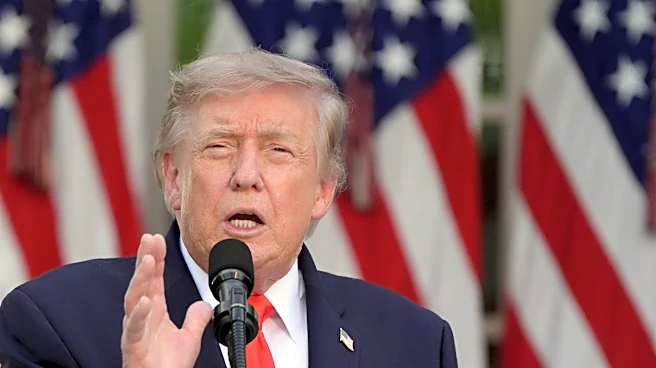
Pride Month celebrations culminated with major parades in New York City and San Francisco, marking the anniversary of the 1969 Stonewall uprising, a pivotal event in the LGBTQ+ rights movement. These events occurred against a backdrop of political actions
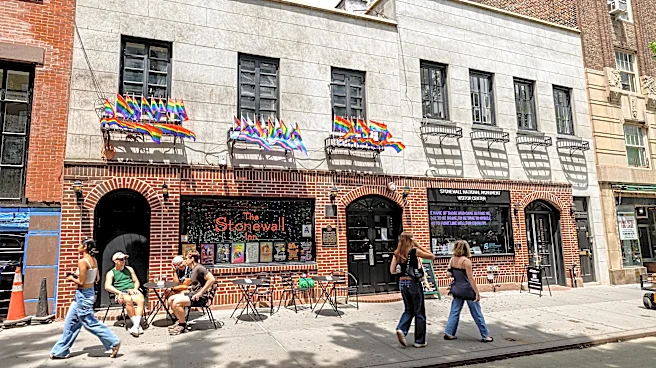
by President Trump aimed at rolling back transgender rights and diversity initiatives. Notably, the administration had removed a rainbow Pride flag from the Stonewall National Monument, a decision later reversed following legal action. The NYC Pride March, organized by Heritage of Pride, emphasized the importance of maintaining visibility and safe spaces for the LGBTQ+ community. Concurrently, some Republican governors have declared June as 'Nuclear Family Month,' positioning it as a counter to Pride celebrations. Additionally, Vice President JD Vance criticized Major League Baseball's handling of players who added Bible verses to Pride-themed caps. The NYC Pride March and San Francisco Pride Parade are among the largest and oldest, tracing their origins to events commemorating the Stonewall rebellion.
Why It's Important?
The Pride events highlight ongoing tensions between LGBTQ+ rights advocates and political leaders seeking to curtail these rights. The actions by President Trump and other Republican figures underscore a broader cultural and political struggle over LGBTQ+ visibility and rights in the U.S. The removal and subsequent reinstatement of the Pride flag at the Stonewall National Monument exemplify the contentious nature of these issues. The parades serve as both a celebration of LGBTQ+ identity and a protest against efforts to diminish their rights. The designation of 'Nuclear Family Month' by some governors reflects a strategic cultural pushback against LGBTQ+ recognition. These developments have significant implications for public policy and societal norms, affecting how LGBTQ+ individuals are perceived and treated in various sectors, including healthcare, where some institutions have faced criticism for halting transgender youth treatments.
What's Next?
Future actions may include continued advocacy by LGBTQ+ groups to ensure protections and rights are upheld. Legal challenges and public protests are likely to persist as the community responds to political maneuvers perceived as threats to their rights. The involvement of major institutions, such as hospitals, in these debates suggests ongoing scrutiny and potential policy shifts in healthcare practices related to transgender care. The political landscape may see further polarization as states and federal entities navigate these contentious issues. The outcome of these struggles will likely influence future legislative and executive actions concerning LGBTQ+ rights.