


What's Happening?
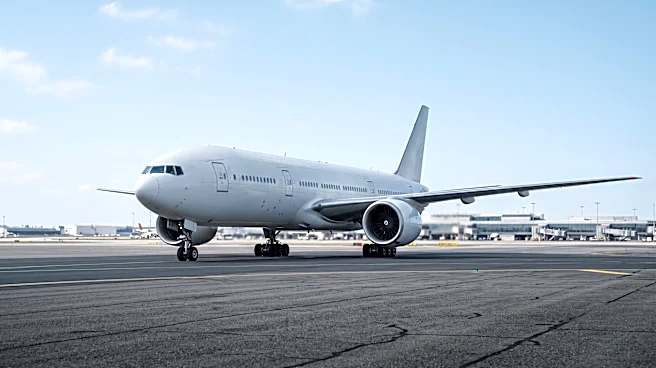
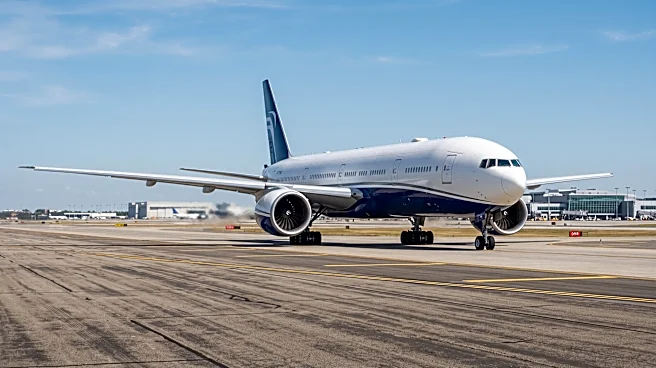
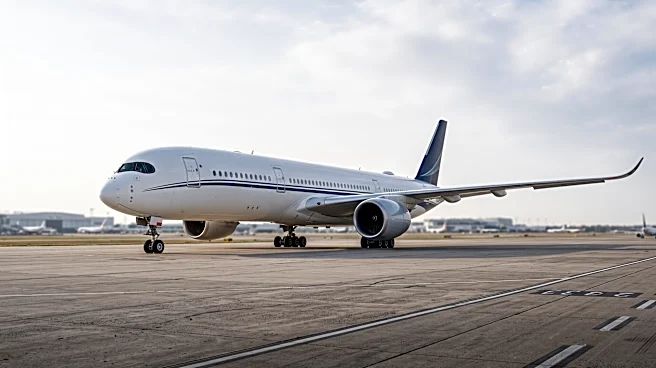
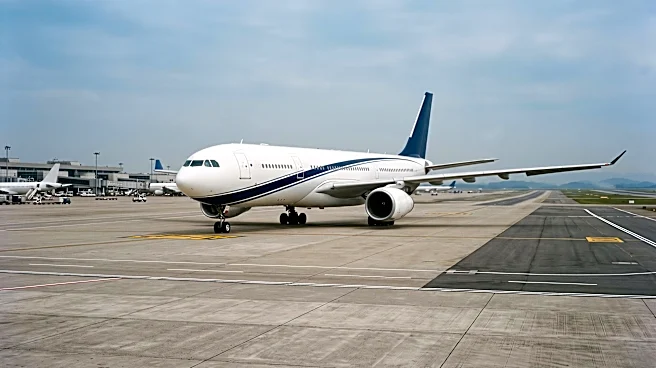
The Federal Aviation Administration (FAA) lifted a nationwide ground stop on U.S. flights on Friday, approximately four hours after it was initially implemented. The ground stop, which halted all flights in and out of the United States, was rescinded
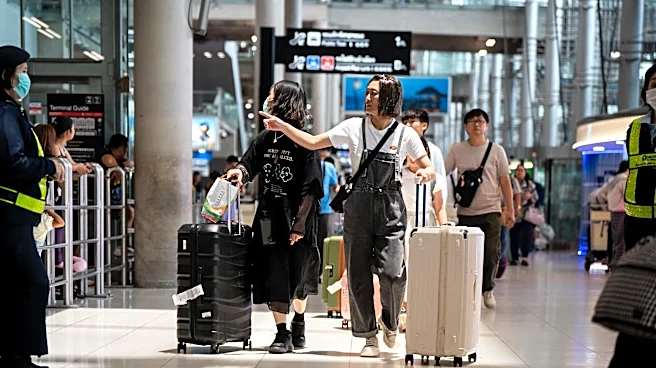
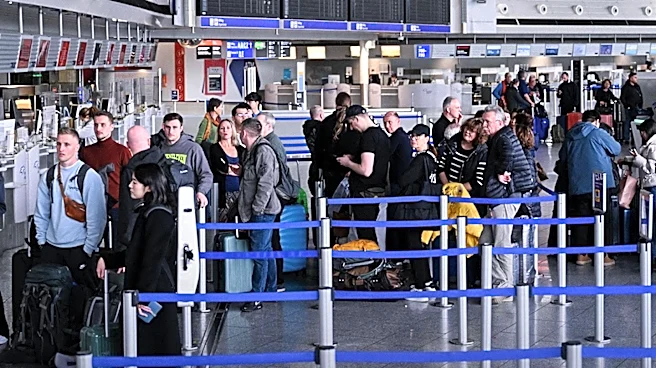
shortly after 8:30 p.m. EST. This disruption significantly impacted air travel across the country, including at the Patrick Leahy Burlington International Airport, where travelers are now facing the task of rebooking their flights. The FAA's decision to implement the ground stop caused widespread delays and cancellations, creating a ripple effect throughout the national air travel system. While the immediate restriction has been removed, the operational backlog and the need for passengers to reschedule their itineraries are ongoing issues. The incident highlights the fragility of the air traffic control system and the broad implications of even temporary disruptions.
Why It's Important?
This nationwide ground stop underscores the critical importance of robust and resilient air traffic control systems for the U.S. economy and national infrastructure. Such widespread disruptions can lead to significant economic losses for airlines, airports, and related industries due to canceled flights, stranded passengers, and logistical challenges. For individual travelers, the impact ranges from missed business meetings and personal events to unexpected accommodation costs and prolonged travel times. The incident also raises questions about the preparedness and redundancy of the FAA's systems to prevent or quickly mitigate such large-scale interruptions. The ability to maintain continuous and safe air travel is vital for commerce, tourism, and national security, making any system-wide failure a matter of significant concern for both public and private sectors.
What's Next?
Following the lifting of the ground stop, the immediate next steps involve airlines working to clear the backlog of delayed and canceled flights. Travelers, particularly those at airports like Patrick Leahy Burlington International Airport, will be engaged in rebooking efforts, which could lead to continued congestion and extended wait times at customer service counters and online platforms. Airlines will likely prioritize re-routing passengers and repositioning aircraft to resume normal operations, a process that could take several days depending on the extent of the initial disruption. The FAA may also conduct an internal review to determine the cause of the ground stop and implement measures to prevent future occurrences, potentially leading to new protocols or technological upgrades within the air traffic control system. Stakeholders across the aviation industry will be assessing the financial and operational impacts of this event.
Beyond the Headlines
The recent FAA ground stop extends beyond immediate travel inconveniences, touching upon broader implications for national infrastructure resilience and cybersecurity. While the specific cause of the ground stop was not detailed in the provided information, any system-wide failure in critical infrastructure like air traffic control prompts scrutiny into potential vulnerabilities, including cyber threats or technical malfunctions. Such events can erode public confidence in the reliability of essential services and highlight the need for continuous investment in modernizing and securing these systems. Furthermore, the incident could spur discussions among policymakers about the need for enhanced contingency planning and inter-agency coordination to manage large-scale disruptions effectively, ensuring that the nation's transportation networks remain robust against unforeseen challenges.