





What's Happening?
A coalition of over 30 scientists and ocean advocates, known as the Antarctic Avengers, is calling for a consumer boycott of products containing Antarctic krill. This includes Omega-3 supplements, pet food, and farm-raised salmon fed with krill meal.
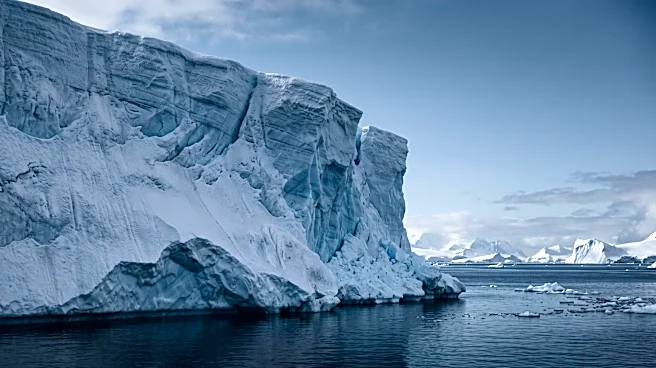
The group, which includes distinguished marine biologist Sylvia Earle, argues that industrial krill fishing is expanding into the Antarctic, one of Earth's last great wildernesses, at a time when these waters are already under immense pressure from climate change. They emphasize that krill, a crucial component of the Southern Ocean's food web, should not be treated as a commodity for large-scale extraction. The boycott aims to protect marine life such as whales, penguins, and seals that rely on krill for survival. Research indicates that a decrease in sea ice, a critical krill habitat, due to rising temperatures, is already negatively impacting krill populations and the predators that depend on them, potentially reducing whale reproductive success.
Why It's Important?
The call for a boycott highlights a critical environmental issue with potential implications for global marine ecosystems and consumer markets. The Antarctic is a vital region for biodiversity, and the over-extraction of krill could have cascading effects throughout the food chain, impacting numerous species. For consumers, this initiative raises awareness about the environmental footprint of common products like supplements and pet food, encouraging a shift towards more sustainable alternatives such as algae, flaxseed, hemp, and chia oils. The involvement of major retailers like Holland & Barrett, dm, Woolworths, and Coles in phasing out krill products demonstrates a growing corporate responsibility and responsiveness to environmental concerns. This movement could set a precedent for other industries to re-evaluate their sourcing practices and contribute to broader conservation efforts, influencing consumer choices and corporate strategies globally.
What's Next?
The Antarctic Avengers and other conservation organizations like Sea Shepherd will likely continue their campaigns to raise public awareness and pressure more retailers and manufacturers to discontinue krill-based products. Consumers are encouraged to read product labels carefully and opt for krill-free alternatives. The success of this boycott will depend on sustained public engagement and the willingness of the industry to adapt. Further research into the long-term impacts of krill fishing and climate change on Antarctic ecosystems will be crucial for informing future conservation strategies. Additionally, international bodies and governments may face increased pressure to implement stricter regulations on krill fishing in the Southern Ocean, potentially leading to new marine protected areas or revised fishing quotas to safeguard this critical marine resource.
Beyond the Headlines
This boycott initiative transcends a simple consumer choice; it underscores the complex interplay between human consumption, industrial practices, and environmental health in a globally interconnected ecosystem. The ethical dimension of exploiting a foundational species in a fragile environment, especially when alternative products exist, is a central theme. It also highlights the power of collective action and consumer demand in driving corporate change and influencing conservation outcomes. The situation in the Antarctic serves as a microcosm of broader global environmental challenges, where climate change exacerbates the impact of resource extraction. The push for sustainable alternatives reflects a growing societal shift towards valuing ecological integrity over unchecked commercial exploitation, potentially fostering innovation in sustainable sourcing and product development across various industries.