





What's Happening?
A recent study published in Communications Earth & Environment by researchers from the University of Bergen in Norway suggests that increasing microplastic pollution may be altering the color of the Great Pacific Garbage Patch and surrounding waters.
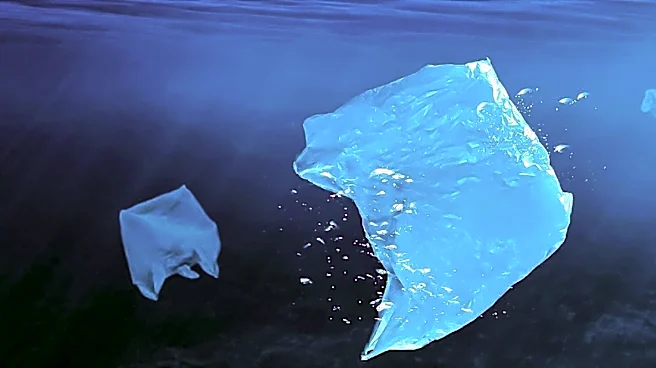
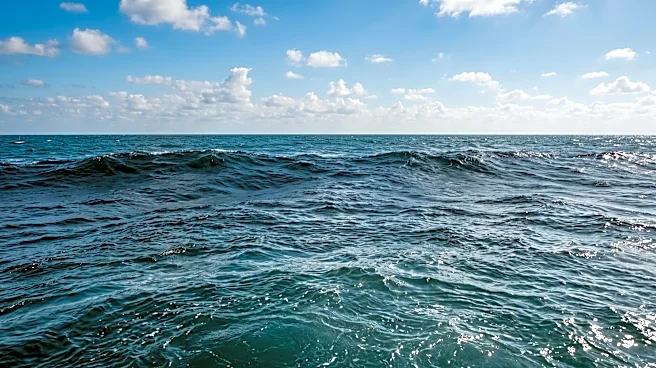
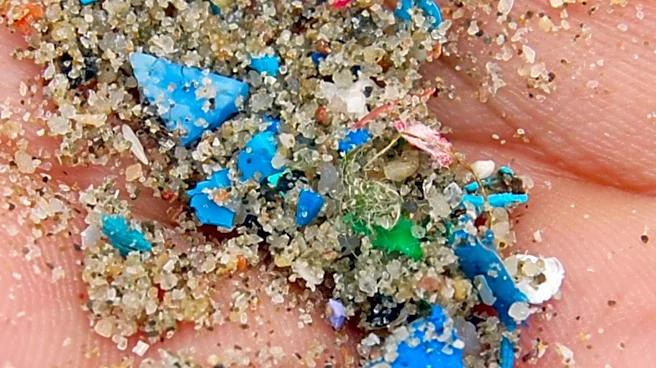
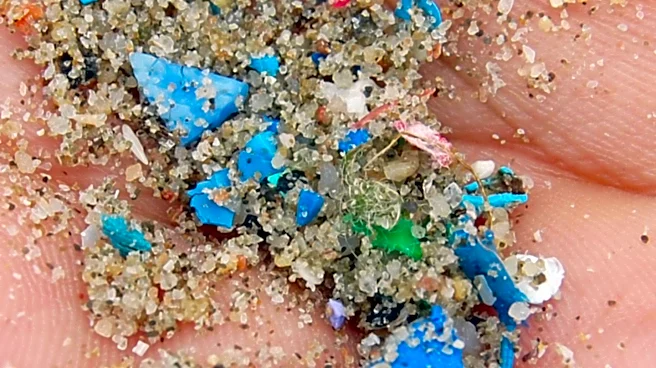
Satellite observations over two decades (2002-2022) show a noticeable brightening in blue and green wavelengths in this area, making the water appear cyan. While the Great Pacific Garbage Patch is often visualized as large islands of trash, much of it consists of microplastics, tiny fragments often invisible to the naked eye. The researchers conducted experiments by creating 'smoothies' from plastic waste to understand how the material interacts with light. Their simulations indicated that the presence of plastics significantly increased the likelihood of the water turning the cyan color observed by satellites. This research aims to address a 'gap' in understanding how microplastics affect ocean color, as ocean color typically reflects elements like phytoplankton and marine debris.
Why It's Important?
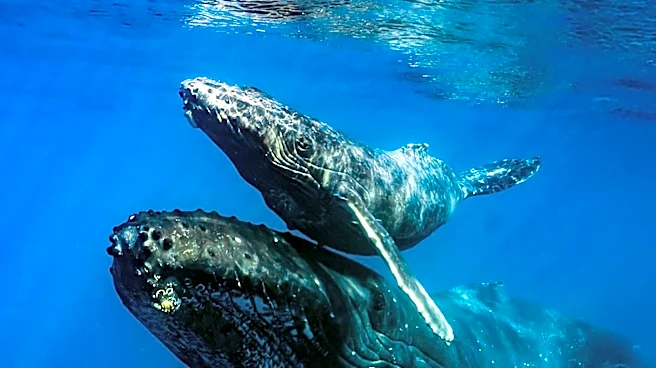
This research is important because it offers a potential new method for detecting and quantifying microplastic pollution in the ocean, which has been notoriously difficult to measure. If the study's conclusions are validated, satellite detection could provide a faster and more cost-effective way to assess the scale of the microplastic problem compared to current laborious methods. The 'missing plastic paradox,' where only a fraction of the estimated 13 million metric tons of plastic entering the ocean annually is found floating, highlights the challenge of tracking these tiny particles. Microplastics pose significant threats to marine ecosystems, as animals can ingest them, leading to their entry into the food chain, including seafood consumed by humans. Furthermore, microplastics can carry pollutants and potentially interfere with the ocean's crucial role in moving and storing carbon, impacting global climate regulation.
What's Next?
The next crucial step for the researchers is to conduct direct measurements within the Great Pacific Garbage Patch to definitively prove that the observed color change is directly and exclusively caused by plastics. This process is acknowledged to be challenging and expensive. If these findings are confirmed, the analytical methods developed could be applied to other ocean regions suspected of having high concentrations of microplastics, providing a broader understanding of the global plastic pollution crisis. The study's authors hope that this research will help convey the immense scale of the pollution problem to a wider audience and encourage further action. Improved remote detection capabilities could also inform policy decisions and conservation efforts aimed at mitigating the environmental impact of microplastics.
Beyond the Headlines
Beyond the immediate environmental implications, this study touches upon the broader ethical and societal responsibilities regarding plastic consumption and waste management. The pervasive nature of microplastics, now potentially altering the fundamental appearance of vast ocean areas, underscores the long-term consequences of human activity on natural systems. The difficulty in detecting and quantifying microplastics highlights a systemic challenge in environmental monitoring and regulation. This research could also spur innovation in biodegradable materials and more effective waste treatment technologies. The potential for microplastics to interfere with the ocean's carbon cycle suggests a deeper, less obvious impact on climate change, linking plastic pollution to global climate dynamics in complex ways that are still being uncovered. The study serves as a stark reminder of the interconnectedness of environmental issues and the urgent need for comprehensive solutions.