
What's Happening?
The Greene County Clerk's Office in Springfield has introduced NaviLens technology to improve accessibility for individuals who are blind or visually impaired. This initiative is part of the office's commitment
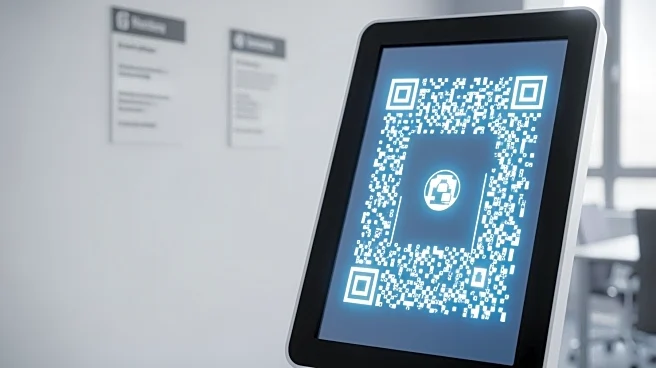
to making government services more accessible. NaviLens uses distinctive multi-colored codes, similar to QR codes, which can be detected by a smartphone app to provide audio information about the user's surroundings. The technology supports over 40 languages and can detect codes from up to 50 feet away, even in low light conditions. Greene County Clerk Shane Schoeller emphasized the importance of ensuring that all citizens can navigate government facilities independently. The technology is already in use in major transit systems worldwide and by consumer brands to make product packaging more accessible.
Why It's Important?
The implementation of NaviLens technology in the Greene County Clerk's Office represents a significant step towards inclusivity and accessibility in government services. By enabling visually impaired individuals to navigate public spaces independently, the initiative promotes equal access to essential services such as voting and accessing public records. This move could set a precedent for other government offices and public institutions to adopt similar technologies, thereby enhancing accessibility nationwide. The broader adoption of such technologies can lead to increased participation of visually impaired individuals in civic activities and improve their quality of life by reducing barriers to access.
What's Next?
Residents are encouraged to download the NaviLens app to experience the technology during their visits to the Greene County Clerk's Office. As the technology gains traction, it is likely that other government offices and public institutions will consider implementing similar systems to enhance accessibility. The success of this initiative could lead to further innovations in accessibility technology, potentially influencing policy changes that mandate the use of such technologies in public spaces. Stakeholders, including advocacy groups for the visually impaired, may push for broader adoption and integration of accessibility technologies across various sectors.