




What's Happening?
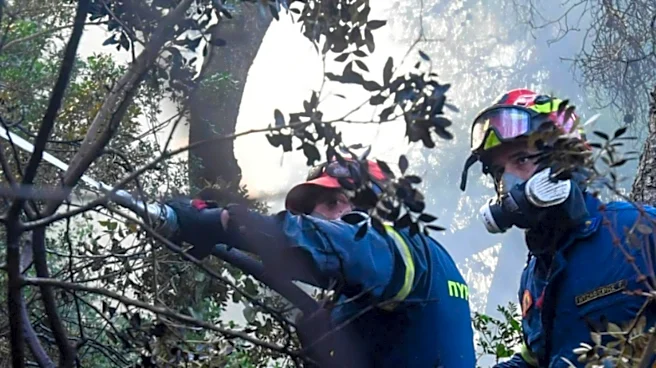
A recent study has provided empirical evidence supporting the long-held hypothesis that hurricane landfalls lead to increased wildfire activity along the U.S. Gulf Coast. The research analyzed data from 30 hurricanes that made landfall between 1992 and 2019,
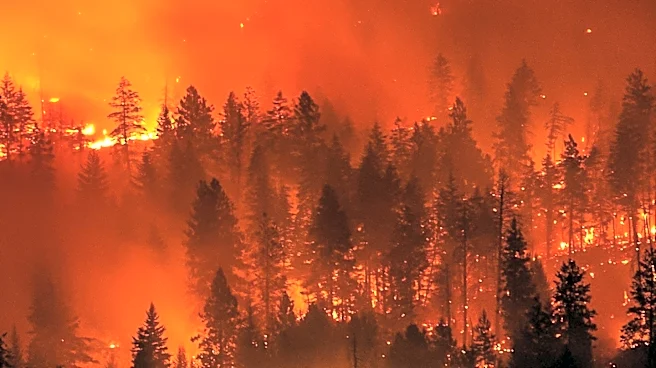
comparing wildfire activity five years before and after each storm. The findings indicate a rise in both the number of wildfires and the total area burned in the five years following hurricanes. This increase is attributed to factors such as elevated fuel accumulation from treefall and altered forest microclimates, including increased radiation, temperature, and aridity. The Florida Peninsula, in particular, experienced the most significant surge in wildfire activity, primarily within two to three years post-hurricane. The study also compared wildfire activity with fire weather index data to ensure that observed trends were directly linked to hurricane damage rather than general climatic factors, confirming the hurricane-fire interaction.
Why It's Important?
This study's findings are crucial for understanding and mitigating wildfire risks in the U.S. Gulf Coast region. By confirming the direct link between hurricanes and subsequent wildfire activity, it provides valuable insights for land management, emergency preparedness, and policy-making. The increased fuel load from hurricane-induced treefall creates a more combustible environment, posing a heightened threat to communities and ecosystems. This understanding can lead to more targeted prevention strategies, such as post-hurricane fuel reduction programs and enhanced monitoring in vulnerable areas. For insurance companies and property owners, this research highlights an elevated and prolonged risk, potentially influencing insurance premiums and necessitating more robust mitigation efforts for structures in hurricane-prone, forested regions. The long-term ecological impacts, including changes in forest composition and increased carbon emissions, also underscore the need for adaptive management practices.
What's Next?
The insights from this study are expected to inform future wildfire prevention and management strategies in the Gulf Coast. Policymakers and land managers may consider implementing specific post-hurricane protocols for fuel management and increased surveillance in areas identified as high-risk. This could involve targeted controlled burns, mechanical fuel removal, and public education campaigns to raise awareness about the elevated wildfire danger. Further research might focus on refining predictive models to identify specific areas most susceptible to post-hurricane wildfires and developing more resilient ecosystems. The findings could also influence urban planning and building codes in coastal regions, encouraging fire-resistant construction and defensible space around properties to minimize damage from these hurricane-triggered blazes.