






What's Happening?
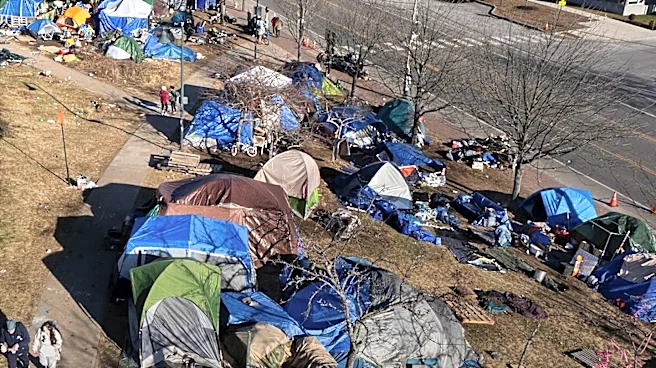
Anchorage has opened 40 new seasonal homeless shelter beds in anticipation of colder weather, with all beds quickly filling upon availability. These new beds are distributed between the city's East 56th Avenue shelter and Linda's Place, a low-barrier
facility. Municipal officials and contractors involved in homeless outreach confirmed the rapid occupancy. The city plans to introduce an additional 40 beds later this month. These seasonal accommodations are crucial during the colder months to mitigate the risks of hypothermia and frostbite among the homeless population. Currently, Anchorage maintains approximately 300 year-round shelter beds, but officials acknowledge a need for 450 to 500 beds to adequately address existing demand. Outreach efforts on Tuesday, involving various agencies and citizen volunteers, focused on encouraging homeless individuals to utilize the new shelter options. While 40 people entered shelters, 15 left before morning, with an 8 p.m. curfew cited as a potential factor. The issue of high addiction levels, particularly opioid misuse, was also highlighted as a significant challenge in getting individuals into long-term treatment programs.
Why It's Important?
The rapid occupancy of the newly opened shelter beds underscores the severe and immediate need for housing solutions for Anchorage's homeless population, especially as temperatures drop. The city's proactive measure to add seasonal beds is vital for public health and safety, directly addressing the life-threatening risks of hypothermia and frostbite. However, the quick saturation of these beds, coupled with the acknowledged shortfall of 150-200 year-round beds, highlights a persistent and systemic challenge in providing adequate support. The high rate of individuals leaving shelters prematurely, partly due to curfews, indicates that simply increasing bed count may not be sufficient without addressing underlying issues such as addiction and the need for more flexible, low-barrier services. The 'epidemic' levels of opioid misuse further complicate efforts, as many individuals require specialized detox and treatment programs beyond basic shelter. This situation impacts not only the homeless community but also strains emergency services and public resources, emphasizing the broader societal and economic costs associated with unaddressed homelessness and addiction.
What's Next?
Anchorage intends to add another 40 seasonal shelter beds later this month to further address the demand as winter approaches. Discussions are ongoing regarding shelter policies, particularly the 8 p.m. curfew, with suggestions to reconsider it during certain seasons to improve retention rates. Efforts will likely continue to focus on aggressive outreach by various agencies and volunteer groups to connect homeless individuals with available resources. There is also a recognized need for more assisted living beds to facilitate transitions out of shelters for those not yet ready for independent living. Addressing the 'epidemic' levels of opioid misuse will require sustained and potentially expanded detox and treatment programs. The city will need to evaluate the effectiveness of these seasonal beds and outreach strategies to inform future long-term planning for homelessness, potentially leading to policy adjustments and increased funding requests for comprehensive support services.
Beyond the Headlines
The situation in Anchorage reveals deeper societal challenges beyond immediate shelter needs, particularly the pervasive issue of addiction. The high prevalence of opioid misuse among the homeless population complicates efforts to provide stable housing and highlights the critical link between substance abuse and homelessness. The struggle to retain individuals in shelters, partly due to curfews, points to a need for more person-centered and flexible approaches that accommodate the complex realities faced by those experiencing homelessness. This includes considering harm reduction strategies and integrated services that combine housing with mental health and addiction treatment. The reliance on seasonal beds, while necessary, also underscores the cyclical nature of homelessness in cold climates and the need for sustainable, year-round solutions. The community's involvement through volunteer outreach demonstrates a civic desire to help, but also signals the limitations of current governmental and non-profit capacities to tackle the issue comprehensively, suggesting a need for more robust, collaborative, and adequately funded long-term strategies.