








What's Happening?
A three-alarm fire erupted at the Sig Sauer facility on Exeter Road in Epping, New Hampshire, on Saturday morning, resulting in one firefighter sustaining minor injuries. Epping Fire officials reported that the department was dispatched around 10:42 a.m.
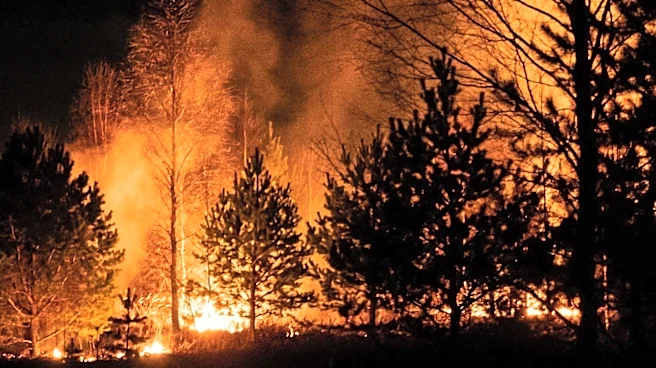
for a fire alarm at 233 Exeter Road. Upon arrival, the first engine observed smoke emanating from a two-story commercial building, approximately 200 by 100 feet. Firefighters initiated an interior attack but faced challenges due to the volume of fire and difficulty accessing certain areas, prompting a temporary shift to defensive operations. A second alarm was requested, followed by a third alarm for additional personnel as crews re-established an interior attack. Multiple openings had to be cut into the metal-clad building to gain access. Four handlines were operated simultaneously, with crews rotating. Primary and secondary searches confirmed no civilians were inside. The fire was declared under control around 12:07 p.m., with crews remaining on scene for overhaul operations. The injured firefighter was treated and released from Exeter Hospital. Route 27 was closed during the incident. The New Hampshire State Fire Marshal's Office is investigating, though the fire does not appear suspicious at this time. This incident marks the second fire at a Sig Sauer facility in New Hampshire this year; an explosion involving titanium at their Exeter plant in July seriously injured an employee.
Why It's Important?
This incident highlights the inherent risks associated with industrial facilities, particularly those involved in manufacturing, like Sig Sauer, a prominent firearms manufacturer. The need for extensive mutual aid from numerous surrounding communities underscores the scale of the emergency and the critical role of inter-departmental cooperation in managing large industrial fires. The closure of Route 27 also illustrates the immediate disruption such events can cause to local infrastructure and daily life. For Sig Sauer, this is the second significant incident at one of its New Hampshire facilities within a few months, which could raise questions about safety protocols and operational oversight. While the cause of this fire is under investigation and not deemed suspicious, the recurrence of incidents could lead to increased scrutiny from regulatory bodies and potentially impact public perception and employee morale. The injury to a firefighter also serves as a stark reminder of the dangers faced by emergency responders in protecting communities and property.
What's Next?
The New Hampshire State Fire Marshal's Office will continue its investigation into the cause of the fire at the Sig Sauer facility. Their findings will determine if any specific factors contributed to the blaze and if any preventative measures or changes in operational procedures are warranted. Sig Sauer will likely conduct its own internal review to assess the damage, understand the cause, and implement any necessary safety enhancements to prevent future occurrences. Given this is the second incident at a Sig Sauer plant in New Hampshire this year, there may be increased attention from state regulatory agencies regarding industrial safety standards. The company will also need to address the operational impact of the fire on its production capabilities and facility integrity. Local authorities will monitor the investigation's progress and any subsequent actions taken by Sig Sauer to ensure compliance with safety regulations. The community will likely await the results of the investigation to understand the full scope of the incident and its implications.
Beyond the Headlines
The repeated incidents at Sig Sauer facilities in New Hampshire, particularly the fire in Epping and the earlier titanium explosion in Exeter, could prompt broader discussions about industrial safety regulations and their enforcement within the state's manufacturing sector. Such events often lead to a re-evaluation of emergency response protocols, hazardous material handling, and fire suppression systems in industrial settings. For companies like Sig Sauer, maintaining a strong safety record is crucial not only for employee well-being but also for brand reputation and operational continuity. The incidents may also spark conversations about the adequacy of current safety inspections and the need for more stringent oversight, especially in industries dealing with potentially volatile materials or complex manufacturing processes. Furthermore, the strain placed on local fire departments, requiring extensive mutual aid, highlights the importance of robust regional emergency planning and resource allocation to effectively manage large-scale industrial emergencies.