






What's Happening?
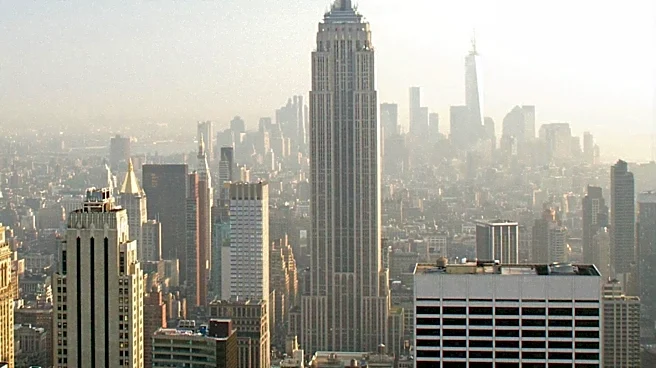
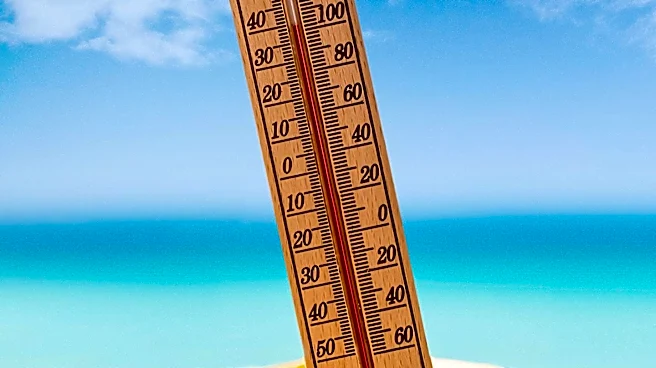
New York City is currently experiencing a severe heatwave, with temperatures expected to exceed 90 degrees and a heat index surpassing 100 degrees. The National Weather Service has issued an extreme heat warning effective from July 1 to July 3. Mayor
Zohran Mamdani has urged residents to stay indoors and check on vulnerable neighbors. The heatwave is part of a broader trend of rising temperatures, which have been linked to climate change. Nearly 500 New Yorkers die prematurely each year due to heat, with lower-income neighborhoods and communities of color being disproportionately affected. The heatwave is straining the city's infrastructure, including energy grids and public transit, and exacerbating health risks for those without access to air conditioning.
Why It's Important?
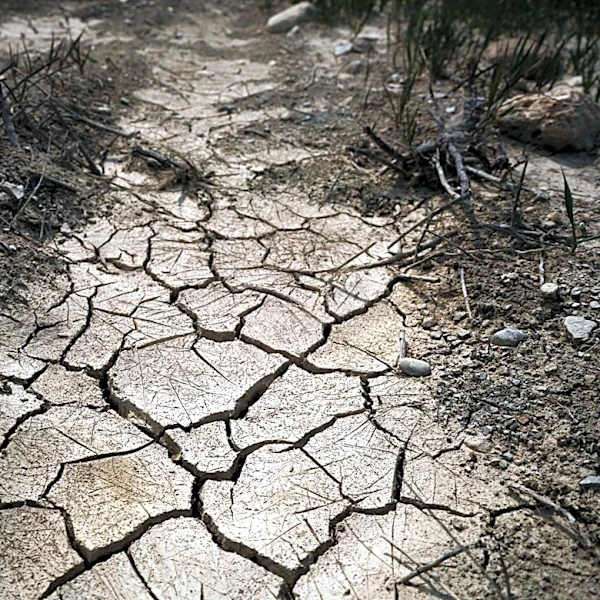
The heatwave highlights the growing impact of climate change on urban areas, particularly in densely populated cities like New York. The increased frequency and intensity of heatwaves pose significant challenges to public health and infrastructure. Vulnerable populations, including the elderly, those with chronic health conditions, and low-income communities, are at greater risk of heat-related illnesses and death. The situation underscores the need for cities to adapt to changing climate conditions by improving infrastructure, expanding access to cooling resources, and implementing public health measures to protect at-risk populations.
What's Next?
City officials are taking steps to mitigate the impact of the heatwave by opening cooling centers, extending pool hours, and providing buses as temporary shelters. There is a push for residents to develop 'heat plans' to protect themselves and their families. The city is also advising employers to ensure workers receive adequate breaks to prevent heat illness. Long-term, there may be increased pressure on policymakers to address climate change and invest in infrastructure improvements to better withstand extreme weather events.
Beyond the Headlines
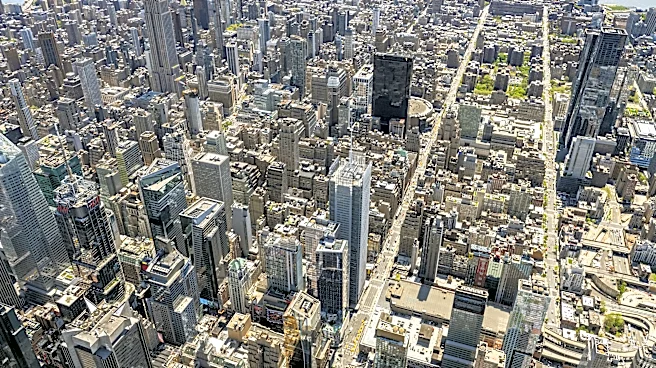
The heatwave exposes deeper social inequalities, as those in lower-income areas often lack access to air conditioning and green spaces that can mitigate heat. The urban heat island effect, where buildings and streets trap heat, exacerbates the situation in cities like New York. This event may prompt discussions on urban planning and the need for more equitable distribution of resources to combat the effects of climate change. Additionally, the strain on energy grids during heatwaves could lead to discussions on renewable energy and sustainable infrastructure solutions.