
What's Happening?
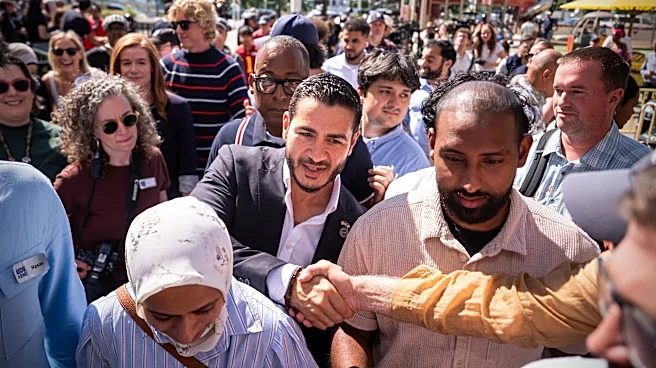
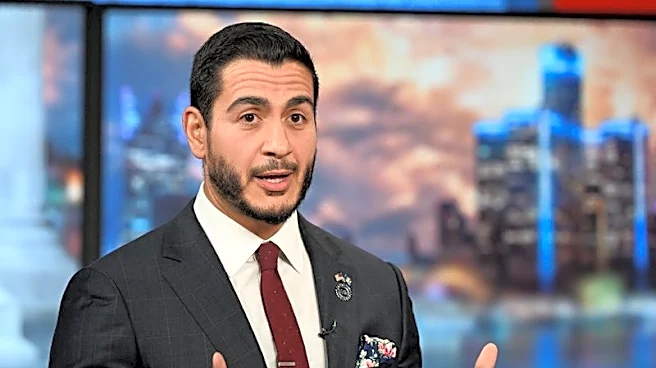
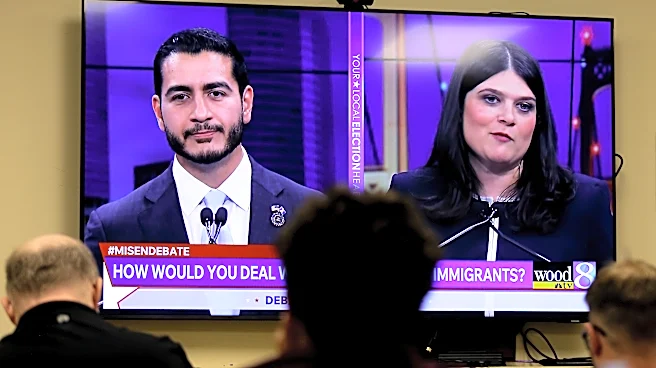
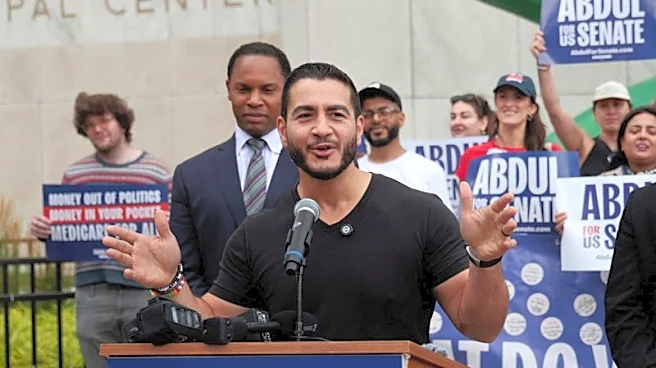
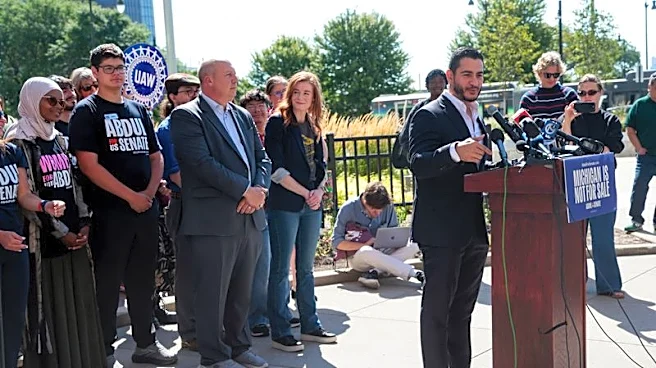
The Democratic Party is grappling with internal tensions following Abdul El-Sayed's narrow victory over Haley Stevens in the Michigan Senate primary. El-Sayed, a progressive candidate backed by figures like Bernie Sanders and Alexandria Ocasio-Cortez,
won by a slim margin, highlighting the party's ideological divide. His platform includes universal healthcare and reducing military aid to Israel, contrasting with Stevens' more moderate stance supported by the party establishment. The primary was closely watched as a potential indicator of the party's future direction, with El-Sayed's win suggesting a shift towards more progressive policies.
Why It's Important?
El-Sayed's victory reflects a broader debate within the Democratic Party about its ideological path, particularly in the wake of the 2024 election defeat. The outcome could influence the party's strategy in the upcoming midterms, as it seeks to balance progressive and moderate agendas to appeal to a diverse electorate. The race also underscores the challenges the party faces in uniting its factions to effectively counter Republican strategies, especially in key battleground states like Michigan. The result may prompt further discussions about the party's identity and its approach to addressing voter concerns.
What's Next?
As El-Sayed prepares to face Republican Mike Rogers in the general election, the Democratic Party will need to focus on unifying its base to maximize voter turnout. The race will be a critical test of the party's ability to appeal to both progressive and moderate voters, with implications for its national strategy. The outcome could also impact the party's approach to future elections, as it navigates the challenges of maintaining a cohesive platform while addressing the diverse priorities of its members.