

What's Happening?
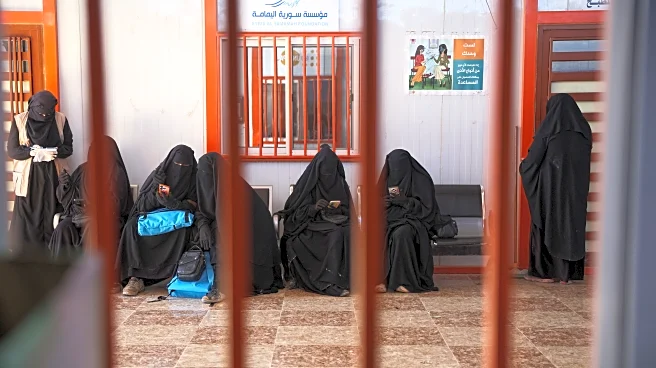
The United States has transferred 5,700 suspected ISIS prisoners from Syria to Iraq, a move reflecting Washington's lack of trust in Syria's ability to manage these detainees. This transfer was executed by the US Central Command (CENTCOM) over the weekend.
Experts suggest that the Syrian interim President Ahmed al-Sharaa has not demonstrated the capability or willingness to maintain regional stability by holding these prisoners. The transfer comes after an incident where dozens of alleged ISIS fighters escaped from al-Shaddadi prison in Syria, raising concerns about the security and management of such facilities. The US decision underscores the chaotic and insecure situation in northeast Syria, prompting the need to ensure that the security situation does not escalate further.
Why It's Important?
The transfer of ISIS prisoners to Iraq is significant as it highlights the ongoing security challenges in the region and the complexities of managing ISIS detainees. For Iraq, this move increases the burden of managing a large number of prisoners, which could pose a national security threat if not handled properly. The situation also reflects the broader geopolitical dynamics, with Iran potentially using Iraq as a ground to challenge the Syrian regime. The transfer could strain Iraq's resources and necessitate international financial support to manage the influx of prisoners. Additionally, human rights groups have expressed concerns about the potential for unfair trials and harsh treatment of the detainees in Iraq.
What's Next?
Iraq may seek financial assistance from other countries to manage the transferred prisoners, as indicated by Iraqi Foreign Minister Fuad Hussein. Discussions are ongoing with various countries to repatriate their citizens who are among the detainees. The situation could also lead to increased pressure on Iraq from Iran, which may seek to exert influence in the region. The US and its allies will need to monitor the situation closely to prevent any resurgence of ISIS activity and ensure that the detainees are managed in accordance with international human rights standards.
Beyond the Headlines
The transfer of prisoners could have long-term implications for regional stability and the fight against ISIS. The potential for Iran to collaborate with ISIS against common enemies poses a strategic challenge for the US and its allies. Additionally, the handling of these prisoners could impact Iraq's international relations and its ability to secure support from other nations. The situation underscores the need for a coordinated international approach to address the security and humanitarian challenges posed by ISIS detainees.