
What's Happening?
An endangered Egyptian vulture in Israel has been successfully rehabilitated and released back into the wild with the aid of a 3D-printed prosthetic leg. The vulture, which lost a leg after being caught
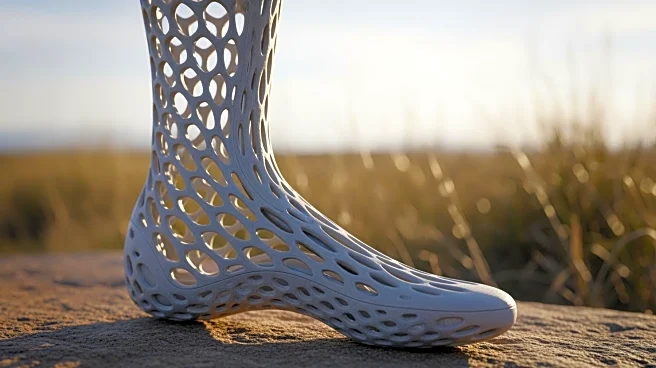
in a trap in the Golan Heights, underwent a groundbreaking rehabilitation process. The Nature and Parks Authority, in collaboration with the Wildlife Hospital at the Ramat Gan Safari, developed a custom-designed prosthetic to replace the amputated leg. This innovative approach marks a significant achievement in wildlife rehabilitation, allowing the vulture to survive and function in its natural habitat.
Why It's Important?
The successful rehabilitation of the Egyptian vulture using a 3D-printed prosthetic highlights the potential of technology in wildlife conservation. This case demonstrates how advancements in prosthetics and medical technology can be adapted for use in wildlife, offering new possibilities for the rehabilitation of injured animals. The project also underscores the importance of conservation efforts for endangered species, as the global population of Egyptian vultures is declining. By stabilizing and improving the vulture population in Israel, conservationists hope to contribute to the species' survival and raise awareness about the threats facing wildlife.
What's Next?
Following the vulture's release, the Nature and Parks Authority will continue to monitor her progress in the wild using a GPS transmitter. The success of this case may encourage further research and development of prosthetic solutions for other injured wildlife. Conservationists and researchers will likely explore additional applications of 3D printing technology in wildlife rehabilitation. The case also serves as a reminder of the ongoing challenges faced by wildlife due to human activities, prompting calls for increased efforts to protect and preserve endangered species.