







What's Happening?
The Bill Pickett Invitational Rodeo, recognized as the longest-running touring Black rodeo in the United States, is marking its 42nd anniversary. This event, often referred to as 'the greatest show on dirt,' brings together competitors and fans to celebrate
the rich legacy of Black cowboys and cowgirls. The rodeo is named after Bill Pickett, a legendary cowboy and early film star known for inventing the bulldogging technique. As part of its tour, the rodeo recently held events in Conyers, Georgia, where young cowboys like 19-year-old Terrance Jackson showcased their skills in preparation for high-stakes competitions. The rodeo continues to honor Bill Pickett's legacy by highlighting the contributions and talents of Black cowboys and cowgirls across generations.
Why It's Important?
The Bill Pickett Invitational Rodeo plays a crucial role in preserving and promoting the history and culture of Black cowboys, a group often underrepresented in mainstream narratives about the American West. By celebrating this tradition, the rodeo not only honors the legacy of figures like Bill Pickett but also provides a platform for young Black cowboys and cowgirls to demonstrate their skills and passion for the sport. This event fosters a sense of community and pride among participants and spectators, while also educating the broader public about the significant contributions of Black individuals to the cowboy tradition. The rodeo's continued success and popularity underscore the importance of diversity and representation in cultural events.
What's Next?
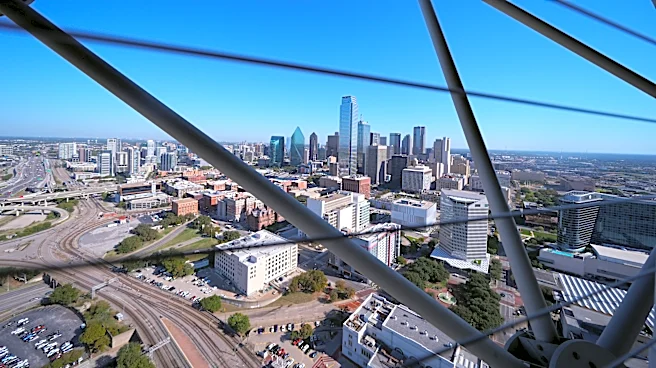
As the Bill Pickett Invitational Rodeo continues its tour, it is set to make a stop in Fort Worth, Texas, where more competitors will have the opportunity to participate in various events. The rodeo's ongoing tour will likely attract more attention and support, further solidifying its place as a key cultural event celebrating Black cowboy heritage. Future events may also see increased participation from younger generations, ensuring the continuation of this important tradition. Additionally, the rodeo may inspire similar events and initiatives aimed at promoting diversity and inclusion within the broader rodeo and equestrian communities.