

What's Happening?
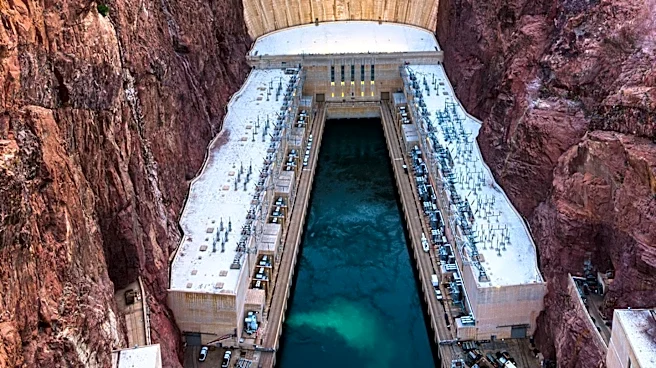
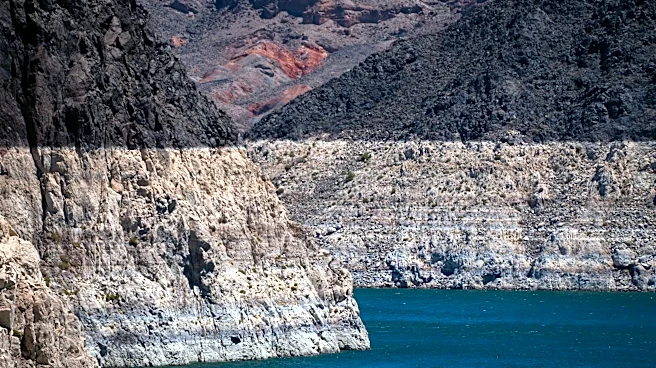
Blue Mesa Reservoir, Colorado's largest, is experiencing critically low water levels, posing challenges for power production and water management. The reservoir, a key water source for Lake Powell, is at less than 25% capacity due to prolonged dry conditions.
Officials have reduced dam releases and restricted water use to manage the situation. The reservoir's low levels impact power generation, irrigation, and environmental conservation efforts. The situation highlights the broader water scarcity issues affecting the Colorado River Basin, which supplies water to multiple states and supports diverse ecological and economic needs.
Why It's Important?
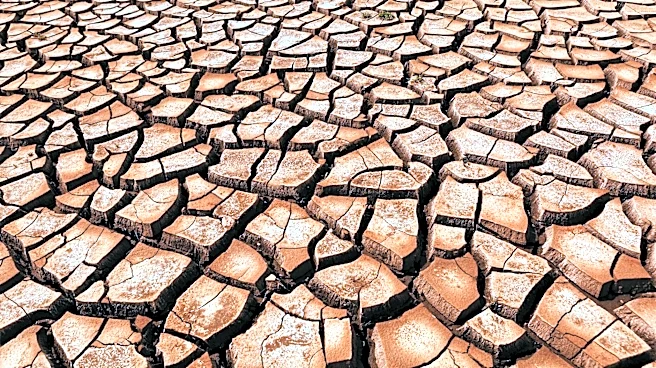
The low water levels at Blue Mesa Reservoir underscore the severe drought conditions affecting the Colorado River Basin, a critical water source for millions of people and numerous industries. The reservoir's depletion threatens power generation, agricultural irrigation, and the survival of endangered fish species. This situation reflects the broader challenges of water management in the face of climate change and increasing demand. The reservoir's status serves as a warning for the need to develop sustainable water management strategies to ensure long-term water security and ecological balance in the region.
What's Next?
Water managers are implementing measures to prevent further depletion, including cutting releases and exploring alternative water sources. The situation at Blue Mesa will likely influence ongoing negotiations among states reliant on the Colorado River to develop long-term water-sharing agreements. The reservoir's status will be closely monitored, with potential policy adjustments to address the challenges posed by climate change and water scarcity. Stakeholders will need to balance competing demands for water resources while ensuring ecological preservation and economic stability.