





What's Happening?
Several school districts across Greater Cincinnati have placed various tax levies on midterm ballots for voters to consider on Election Day. These levies include property tax, earned income tax, operating levies, and bond issues, all aimed at securing
essential school funding. Districts such as Cincinnati Public Schools are proposing significant measures, with CPS seeking a five-year, seven-mill operating property tax levy estimated to generate over $66 million annually. Lakota Local Schools is also requesting a $223 million replacement bond for its master facilities plan. Many of these districts have already implemented budget cuts for the current school year, and projected million-dollar deficits are intensifying the pressure for these levies to pass to maintain normal school operations and avoid potential state takeovers.
Why It's Important?
The outcome of these school levies will have a direct and substantial impact on the quality of education and the financial stability of numerous school districts in Greater Cincinnati. If approved, these levies will provide critical funding to prevent further cuts to programs, staff positions, and essential services, thereby preserving educational standards and opportunities for students. Conversely, if rejected, districts could face deeper budget shortfalls, potentially leading to more severe program reductions, increased class sizes, and even state intervention in some cases. This situation highlights the ongoing challenge for public education funding, where local communities are often tasked with directly supporting their schools through property and income taxes, making voter engagement and understanding of these issues crucial for the future of local education.
What's Next?
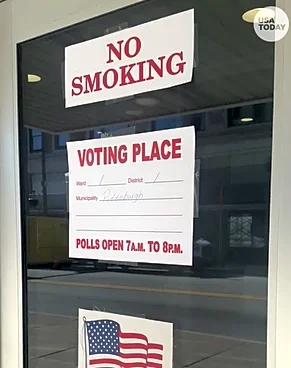
Voters in Greater Cincinnati will decide the fate of these school levies on Election Day. The results will determine the financial landscape for these school districts for the coming years. If levies pass, districts will gain the necessary funds to continue or expand programs and address their budget deficits. If they fail, school boards and administrators will need to re-evaluate their financial strategies, potentially leading to further budget cuts, staff reductions, or the exploration of alternative funding mechanisms. The decisions made by voters will also reflect community priorities regarding education funding and local tax burdens, setting a precedent for future levy attempts and fiscal planning in the region.
Beyond the Headlines
The reliance on local tax levies for school funding in Greater Cincinnati reflects a broader national debate on how public education should be financed. This system often creates disparities between affluent and less affluent districts, as communities with higher property values or incomes can more easily pass levies and generate substantial funds. The pressure on districts to pass these levies, sometimes under threat of state takeover, underscores the systemic challenges in ensuring equitable and stable funding for all schools. This situation also highlights the direct democratic process at play, where citizens directly influence the future of their local institutions through their votes on tax measures, raising questions about the balance between local control, state mandates, and the long-term sustainability of public education funding models.