




What's Happening?
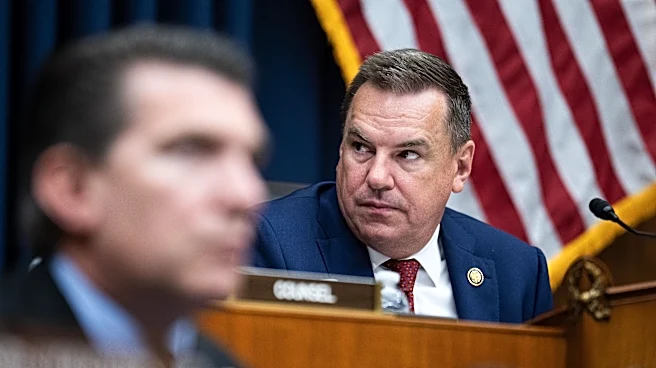
Reps. André Carson (D-Ind.) and Rob Wittman (R-Va.) have introduced bipartisan legislation in the U.S. House of Representatives to establish the Asal Sayas National Strategy on Young Adult Cancers Act. This bill aims to create the first national strategy
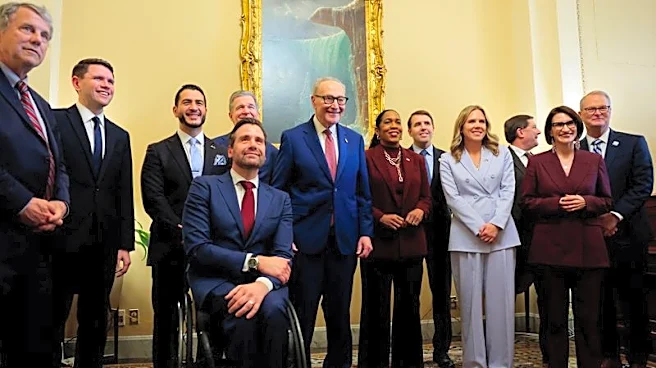
specifically addressing cancers in adults aged 18 to 49. The Colorectal Cancer Alliance is leading a national effort to gather support for this bill, encouraging patients, caregivers, advocates, and organizations to sign up and help ensure its passage. The proposed legislation would mandate the National Institutes of Health (NIH) to develop a comprehensive strategy within 18 months of the bill becoming law. This strategy would involve mapping current research, launching a national education campaign to raise awareness of symptoms and risk factors, setting research priorities for causes, biomarkers, early detection, and new treatments, and reducing barriers to clinical trial participation for young adults. Companion legislation was previously introduced in the Senate by Sen. Edward J. Markey (D-Mass.) and co-sponsored by Sen. Amy Klobuchar (D-Minn.).
Why It's Important?
This bipartisan legislative effort is crucial because there is currently no national plan to understand the rising incidence of young-onset cancers or to facilitate earlier diagnoses for young patients. Cancer in adults under 50 is increasing, with colorectal cancer now being the leading cause of cancer death in this demographic. Young adults often face delayed diagnoses, as they are typically too young for routine screenings, and their symptoms are frequently misidentified as less serious conditions. On average, young adults wait seven months from the onset of symptoms to receiving treatment, significantly longer than the one-month average for individuals aged 50 and older. Annually, approximately 200,000 young adults in the U.S. are diagnosed with cancer, and about 30,000 succumb to the disease. The proposed national strategy would address critical needs, including fertility, mental health, and work-related challenges faced by young patients and their caregivers, and establish an online federal resource hub for all stakeholders.
What's Next?
The Colorectal Cancer Alliance is actively mobilizing support for the Asal Sayas National Strategy on Young Adult Cancers Act, urging individuals and organizations to join their advocacy efforts. If passed, the bill would require the NIH to develop a national strategy within 18 months. This strategy would be guided by a federal committee comprising patient advocacy groups, academic research institutions, biomedical industry representatives, and community health institutions, which would also report its progress to Congress. The bill's passage would lead to a concerted national effort to improve understanding, early detection, and treatment of cancers affecting young adults, potentially reducing diagnosis delays and improving patient outcomes. The ongoing advocacy and legislative process will determine the timeline for the bill's potential enactment and the subsequent implementation of the national strategy.
Beyond the Headlines
The introduction of this bill highlights a growing recognition of the unique challenges faced by young adults diagnosed with cancer. Beyond the immediate medical implications, a national strategy could foster a more supportive environment for young patients, addressing not only their physical health but also their mental well-being, educational pursuits, and career development, which are often severely disrupted by a cancer diagnosis. The emphasis on reducing barriers to clinical trials is particularly significant, as it could accelerate research into young-onset cancers and lead to more tailored and effective treatments. Furthermore, the bill's naming in honor of Asal Sayas, a policy expert and advocate who experienced colorectal cancer, underscores the human element and personal impact driving this legislative push, aiming to transform individual struggles into systemic improvements for future generations.