




What's Happening?
Anthea M. Hartig, director of the Smithsonian's National Museum of American History, has publicly refuted a recent report from the White House that labeled the museum's leadership as radical activists. The report, released by the White House Domestic
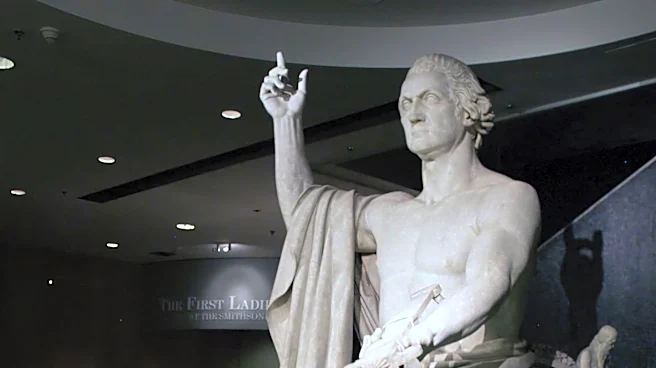
Policy Council, criticized the museum for not presenting American history in a manner deemed inspiring and unifying. It specifically targeted the museum's inclusion of diversity, equity, and inclusion elements in its narratives. Hartig, speaking before a House Oversight subcommittee, defended the museum's approach, emphasizing that the institution aims to add voices and evidence to traditional narratives rather than erase them. The museum recently opened an exhibit titled 'In Pursuit of Life, Liberty and Happiness,' showcasing 250 objects to celebrate America's 250th anniversary, including significant historical artifacts like Thomas Jefferson's drafting desk for the Declaration of Independence.
Why It's Important?
The controversy highlights ongoing tensions between cultural institutions and political entities over the portrayal of American history. The White House's criticism reflects a broader effort by President Trump and his supporters to influence how history is presented, potentially impacting public perception and educational narratives. The museum's defense underscores the importance of inclusive storytelling in reflecting the diverse experiences that constitute the nation's history. This debate could influence future funding, governance, and public trust in national museums, affecting how history is taught and understood by future generations.
What's Next?
The Smithsonian's National Museum of American History may face increased scrutiny and potential changes in leadership, as indicated by past actions against other Smithsonian leaders. The museum's future exhibits and programming could be shaped by ongoing political pressures, potentially leading to adjustments in how historical narratives are presented. Stakeholders, including historians, educators, and policymakers, may engage in further discussions about the role of museums in shaping national identity and the balance between historical accuracy and political influence.