



What's Happening?
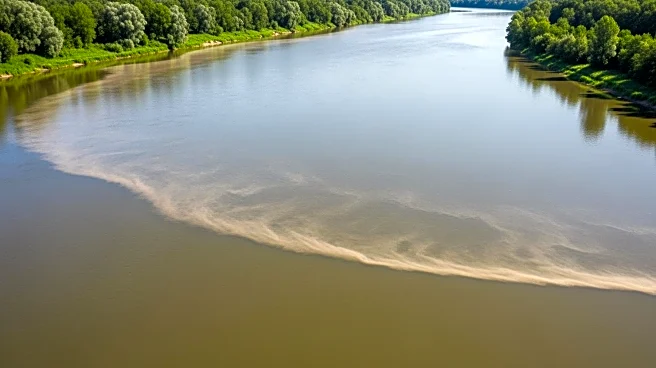
In January, a significant sewage spill occurred when a decades-old sewer line in Maryland collapsed, releasing over 200 million gallons of raw sewage into the Potomac River near Washington, D.C. DC Water, the utility managing the line, has been working
to divert wastewater around the broken section to facilitate repairs. Although the area's drinking water remains uncontaminated, scientists and environmental advocates express concerns about the potential long-term environmental damage. The spill, one of the largest in U.S. history, highlights the vulnerabilities of aging infrastructure, exacerbated by climate change and population growth. Elevated levels of E. coli have been reported, and as temperatures rise, the risk of algae blooms increases, potentially harming aquatic life.
Why It's Important?
The Potomac sewage spill underscores the critical need for infrastructure investment in the U.S. Aging sewer systems, particularly those handling both wastewater and stormwater, are increasingly prone to overflows during heavy rains. This incident not only threatens the Potomac River but also the Chesapeake Bay, a vital ecosystem. The spill has prompted calls for federal disaster support and highlights the role of the Environmental Protection Agency in addressing such environmental crises. The event serves as a stark reminder of the broader challenges posed by climate change, which intensifies weather patterns and strains existing infrastructure.
What's Next?
Efforts to repair the damaged sewer line are ongoing, with DC Water implementing temporary measures to manage wastewater flow. The incident has sparked discussions on the need for substantial infrastructure upgrades nationwide. D.C. Mayor Muriel Bowser has requested federal disaster support, and the Environmental Protection Agency has pledged to assist in the response. The situation may lead to increased scrutiny of infrastructure management and potential policy changes to prevent future occurrences. Environmental groups continue to advocate for comprehensive solutions to protect waterways and address climate-related challenges.
Beyond the Headlines
The Potomac spill raises broader questions about environmental justice and the allocation of resources for infrastructure improvements. Communities reliant on affected waterways may face economic and recreational impacts, highlighting the intersection of environmental and social issues. The incident also emphasizes the importance of proactive maintenance and modernization of infrastructure to meet contemporary environmental standards and population demands. As climate change continues to influence weather patterns, the need for resilient infrastructure becomes increasingly urgent.