
What's Happening?
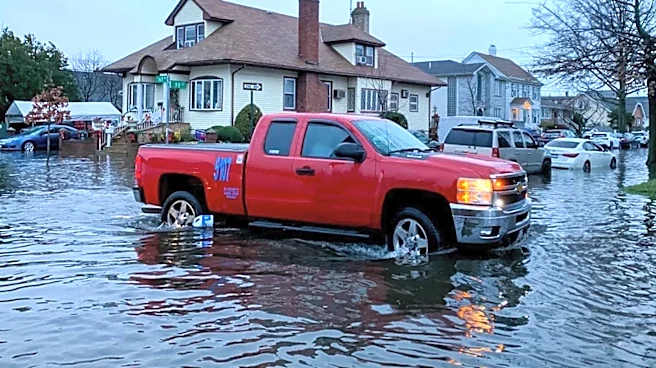
Over a month after flash flooding impacted Omaha, Nebraska, 39 homes in the Karen Western Addition neighborhood remain without heat. As temperatures drop significantly, residents are resorting to alternative heating methods such as space heaters and ovens
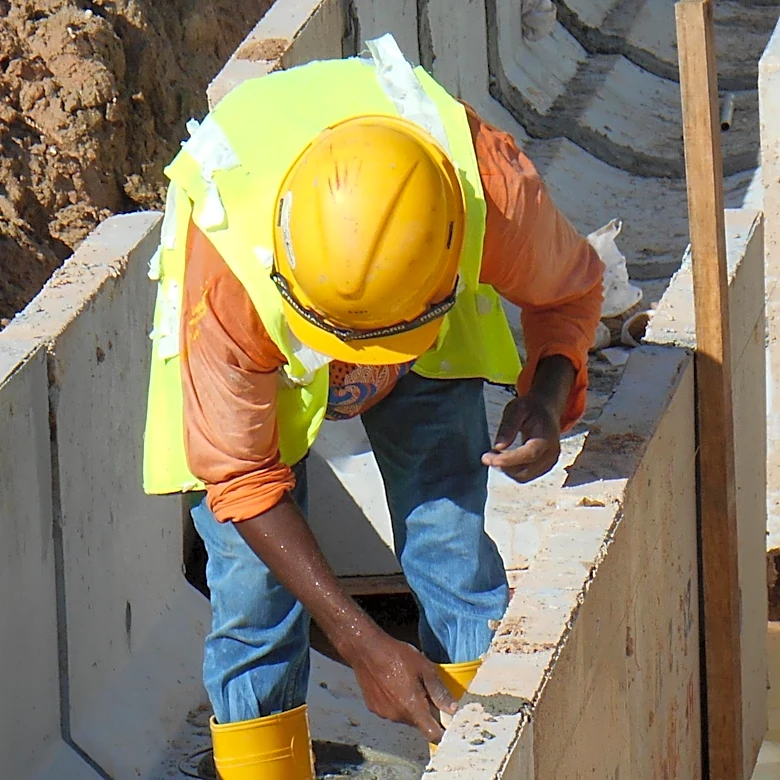
to stay warm. Homeowners like Craig Botkin are using space heaters to ensure construction work, such as drywall finishing, can proceed without issues caused by cold temperatures. William LeMaster, another resident, is living in his flood-damaged home, sleeping on an air mattress and using blankets, space heaters, and his oven for warmth. He also places space heaters near sinks and in bathrooms to prevent pipes from freezing. Many residents are awaiting insurance checks to replace damaged furnaces, highlighting the ongoing challenges faced by the community as winter approaches.
Why It's Important?
The lack of heat in dozens of Omaha homes poses significant health and safety risks, especially with the onset of colder temperatures. Prolonged exposure to cold can lead to hypothermia and other cold-related illnesses, particularly for vulnerable populations such as the elderly and young children. The reliance on space heaters and ovens for warmth also increases the risk of house fires and carbon monoxide poisoning if not used properly. Economically, residents are facing increased utility bills due to the continuous use of electric space heaters and ovens, adding financial strain to those already dealing with flood damage repairs. The situation underscores the long-term recovery challenges communities face after natural disasters, extending beyond immediate cleanup to essential infrastructure restoration and housing habitability.
What's Next?
Residents in the Karen Western Addition are hoping for prompt resolution of their insurance claims to facilitate furnace replacements. As temperatures are expected to continue dropping, the urgency for these repairs will intensify. Local authorities and community organizations may need to assess the situation further to provide temporary heating solutions or shelter options for affected residents if repairs are delayed. The ongoing situation could also prompt discussions about disaster preparedness and response mechanisms, particularly regarding the speed of utility restoration and support for homeowners in the aftermath of severe weather events. Continued monitoring of weather forecasts will be crucial for residents to prepare for upcoming cold snaps.
Beyond the Headlines
This situation in Omaha highlights broader issues concerning disaster resilience and equitable recovery in urban areas. The prolonged lack of essential services like heat suggests potential systemic challenges in post-disaster aid distribution or insurance processing. It also brings to light the disproportionate impact of natural disasters on certain neighborhoods, potentially exacerbating existing socio-economic disparities. The reliance on individual solutions like space heaters, while necessary, points to a gap in collective or governmental support for immediate living needs. This event could serve as a case study for urban planners and emergency management agencies to re-evaluate protocols for ensuring basic living conditions are restored swiftly and effectively after widespread damage, especially as climate change may lead to more frequent and intense weather events.