





What's Happening?
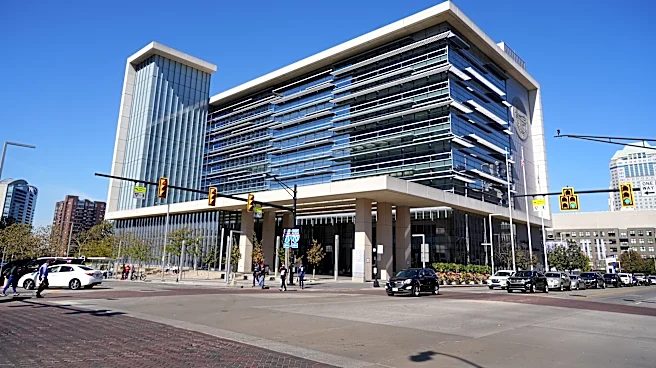
A last-minute proposal to expand the Cuyahoga County-owned Downtown Cleveland convention center is creating a new issue for the city's long-awaited lakefront development project. Cuyahoga County Executive Chris Ronayne and Destination Cleveland, the region’s
convention and tourism bureau, are advocating for the expansion. This concept was brought to Cleveland Mayor Justin Bibb in June, and city officials discussed it publicly for the first time recently. The core of the issue is whether the city will alter its plans for a lakefront pedestrian connector to accommodate a potential expansion of the Huntington Convention Center of Cleveland. The proposed expansion would extend directly north across lakefront railroad lines and the Ohio 2 Shoreway, which is the exact location where the city has envisioned its centerpiece lakefront connector pedestrian bridge. The city is weeks away from issuing a request for qualifications for a design-build team for the connector, with work needing to begin by late 2027 to retain $130 million in federal grants.
Why It's Important?
This development is important because it introduces a significant potential conflict into a major urban development project in Cleveland. The city's lakefront plan aims to redevelop 50 acres of land, including the site of the former NFL Browns stadium, and the pedestrian connector is central to this vision, intended to link downtown more firmly to Lake Erie and attractions at North Coast Harbor. A change in plans to accommodate the convention center expansion could delay the project, jeopardize federal funding, and alter the aesthetic and functional design of the lakefront. For Cuyahoga County and Destination Cleveland, the convention center expansion represents an opportunity to enhance the region's capacity for conventions and tourism, potentially boosting the local economy. However, the city's chief of integrated development, Tom McNair, has expressed concerns about the timing and the potential impact on the city's vision for a world-class pedestrian connection.
What's Next?
City officials are open to discussions regarding the convention center expansion proposal, but they emphasize that they do not want to prioritize it over their lakefront development vision or compromise on the high-quality design for lakefront infrastructure. The city is proceeding with its plans to issue a request for qualifications for the land bridge connector, with work scheduled to begin by late 2027 to secure federal grants. The latest version of the city’s lakefront plans will be unveiled later this month by the nonprofit North Coast Waterfront Development Corporation. A key challenge will be for the city and county to find a way to accommodate both the convention center expansion and the lakefront connector without jeopardizing the timeline or the $130 million in federal construction grants. The proposal also raises complex issues of public financing, state law, and civic priorities that will require time to resolve.
Beyond the Headlines
The situation highlights the complexities inherent in large-scale urban development projects, particularly when multiple governmental entities and stakeholders have competing visions or priorities. The potential for a last-minute proposal to disrupt years of planning and significant financial commitments underscores the need for early and comprehensive coordination among all parties. Beyond the immediate impact on the lakefront design and funding, this scenario could set a precedent for how future development conflicts are resolved in Cleveland. It also touches upon the broader economic development strategies of the region, balancing tourism and convention growth with urban revitalization and public access to natural assets like Lake Erie. The outcome will reflect the city's ability to navigate inter-agency dynamics and maintain momentum on critical infrastructure projects.