


What's Happening?
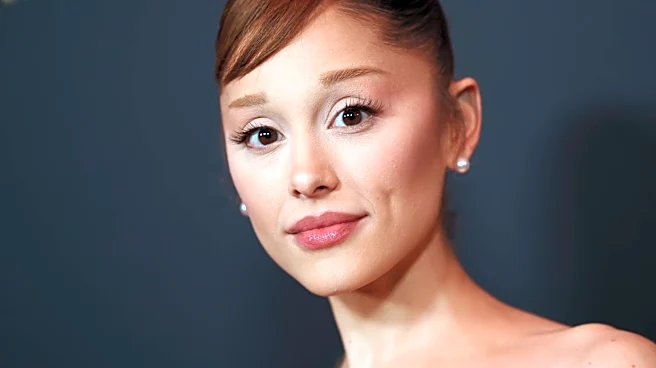
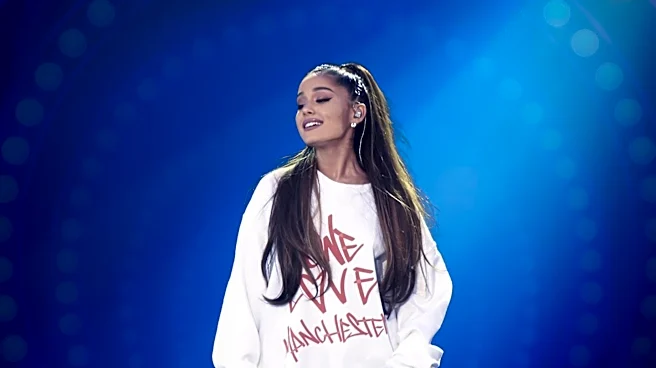
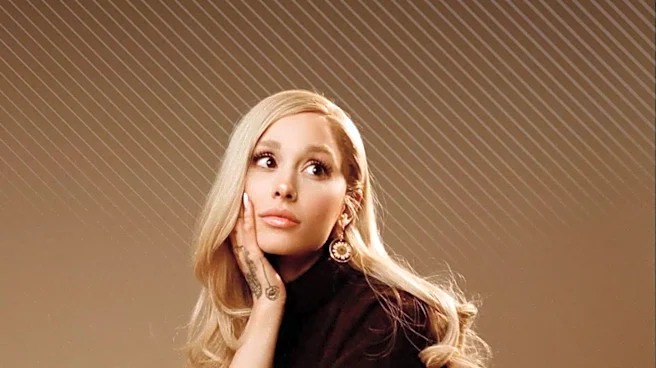
Pop singer Ariana Grande has publicly denounced President Trump's campaign for using her song 'We Can’t Be Friends (Wait For Your Love)' in a transphobic TikTok video without her permission. The video, posted on August 20, featured President Trump walking
towards a dais with overlaid text stating, 'Me and my truth we sit in silence… men can’t have babies and should never compete in women’s sports.' Grande commented on the video, instructing President Trump to 'never use my music again' and asserting that 'your truth is false.' Although her comment was reportedly deleted or hidden, screenshots were widely shared by her fans. Subsequently, all audio was removed from the TikTok video. This marks the second instance of President Trump's administration using Grande's music without authorization; previously, her song 'Bye' was used in a TikTok video promoting the Secure America Act in June, to which Grande also responded with strong disapproval.
Why It's Important?
This incident highlights ongoing tensions between political campaigns and artists regarding the unauthorized use of copyrighted music for political messaging. President Trump's campaign has a history of using popular music without artist permission, often leading to public rebukes and accusations of copyright infringement. This practice raises significant legal and ethical questions about intellectual property rights and the appropriation of artistic works for political propaganda. For artists like Ariana Grande, who are vocal LGBTQ+ allies, the use of their music in content that promotes transphobic views is particularly problematic, as it can be perceived as an endorsement of messages contrary to their personal values and advocacy. The repeated nature of these incidents suggests a deliberate strategy by the campaign to generate headlines and engage with public figures, regardless of the artists' consent or political alignment.
What's Next?
While artists often choose public condemnation or swift takedown requests over prolonged litigation due to the expense and time involved, the repeated unauthorized use of music by political campaigns could lead to increased legal challenges or more stringent enforcement of copyright laws. Artists may explore collective actions or advocate for stronger legislative protections against such misuse. The incident also continues to fuel public discourse on the intersection of celebrity influence, political messaging, and social issues, particularly concerning LGBTQ+ rights. The ongoing nature of these disputes suggests that political campaigns may continue to test the boundaries of fair use and copyright, while artists and their legal teams will likely remain vigilant in protecting their intellectual property and public image.
Beyond the Headlines
The controversy extends beyond mere copyright infringement, touching upon the broader implications of cultural appropriation in the political sphere. When a political campaign uses an artist's work without permission, especially when the message conflicts with the artist's known views, it can be seen as an attempt to co-opt cultural symbols for political gain. This can alienate segments of the artist's fanbase and create a perception of forced endorsement. For the LGBTQ+ community, the use of Grande's music in a transphobic context is particularly resonant, given her consistent support for trans rights, including her Brighter Days Ahead Foundation and the Protect & Defend Trans Youth Fund. This incident underscores the ethical responsibility of political entities to respect artistic integrity and intellectual property, and the power of artists to reclaim their work and voice in the face of perceived misuse.